




May 31, 2026
If They Can’t Run, Jump, Spill, and Nap in It — Is It Really Kidswear?
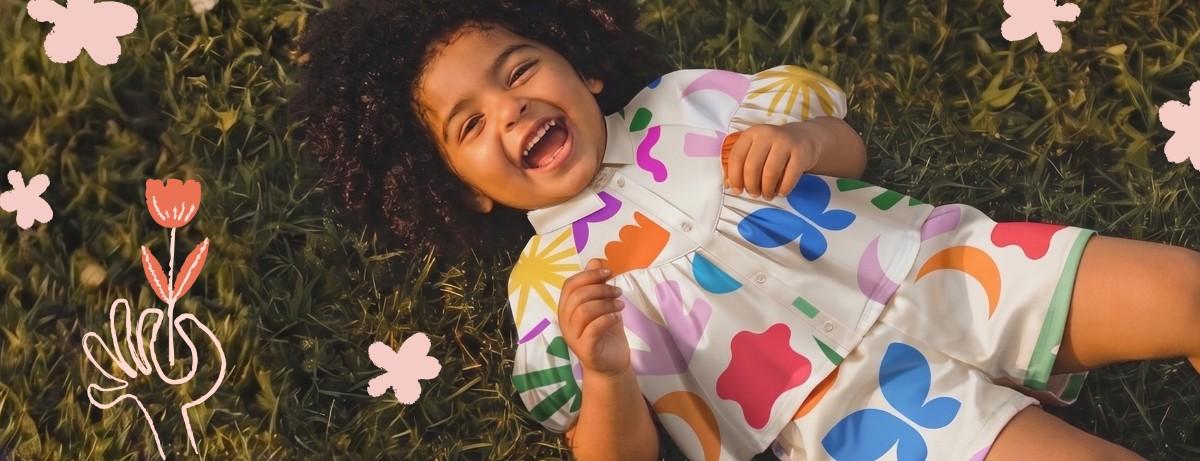
There’s a specific kind of chaos that happens between 8am and 8pm when you have a small child. Breakfast happens on the shirt. The park happens on the knees. Something involving a marker happens, and you’re not entirely sure when. By the time they fall asleep, the outfit has lived a full life.
That’s the actual test for kids clothes. Not how they look on the hanger or in the photo. Whether they can keep up with a day that doesn’t slow down, get washed at 11pm, and be ready to do it all again tomorrow.
What Real Kidswear Actually Means (Beyond Looks)
There’s a version of kidswear that exists purely to look adorable in photos. And sure, that has its moment. But the clothes a child actually wears every day need to do something far more important than look good. They need to move with the child, breathe with them, and hold up through everything a normal day throws at them.
Kidswear that works is clothing that adapts to the child, not the other way around. Loose enough to crouch, crawl, and sprint. Soft enough to wear for twelve hours without a single complaint. Easy enough for a tired parent to get on and off without a fight. That’s the standard. Everything else is just decoration.
The Four Real Tests Every Kids Outfit Must Pass
Before you buy anything for your child, it helps to put it through a simple mental checklist. Not a checklist about looks or price, but about how it will actually perform when your kid is being a kid.
Here’s the four-test filter that actually matters:
The Run Test
Can your child take off sprinting without stopping to adjust their waistband or pull their shirt down? Children’s play clothing that passes this test has no stiff seams cutting across the waist, no tight necklines that restrict movement, and no heavy fabric that slows them down.
The Jump Test
Jumping, climbing, and stretching put real pressure on fabric and seams. Clothes should stretch with the body and spring back, not resist the movement or leave your child worried about tearing something.
The Spill Test
Food, juice, paint, mud. Something is getting on those clothes today, guaranteed. The question is whether the fabric can handle a washing machine cycle without fading, shrinking, or going rough, because with kids, laundry isn’t occasional. It’s daily.
The Nap Test
Whether it’s a scheduled nap or a sudden one in the back seat of the car, a child should be able to fall asleep wherever they are without itchy tags digging in or rough seams pressing against their skin. Kids nightwear and even daywear should be soft enough to sleep in comfortably.
Where Most Kidswear Goes Wrong
Most parents have been there: you buy something that looks great, your child wears it once, and then they never want it on again. The problem is almost always the same. The outfit was designed for aesthetics, and not for a child’s actual day.
Synthetic fabrics trap heat and cause sweating. Tight fits that look sleek on a hanger feel restricting the moment a child moves. Fiddly buttons and layered designs that a toddler absolutely cannot manage on their own. And clothes that look fine after the first wash but go scratchy or misshapen by the fifth. All of these are signs that comfort was never the priority.
What Parents Should Actually Look For
The good news is that once you know what to look for, it becomes a lot easier to filter out the things that won’t last. Comfy clothes for kids share a few very consistent qualities.
Keep these at the top of your checklist:
Soft, breathable fabrics: Cotton clothes for children allow air circulation, don’t trap sweat, and feel gentle on skin from the first wear to the last wash.
- Stretch-friendly design: Fabric that moves with the child instead of pulling against them. Essential for anything worn during active play.
- Easy-wear closures: Elastic waistbands and simple necklines mean quicker dressing for parents and more independence for older kids.
- Machine-wash durability: If it can’t handle frequent washing without losing its shape or softness, it won’t last a season.
- Skin-friendly clothes: No scratchy inner tags, rough seams, or synthetic fibres that irritate skin over long hours of wear.
The Comfort Equation: If It Distracts Them, It’s Not Working
There’s a very simple way to know whether a child’s outfit is working: watch what they do in it. A child who keeps pulling at their collar, wriggling their waistband, or asking to change is telling you everything you need to know. Research from Playtime Prints notes that restrictive clothing can directly limit children’s physical activity, making them less likely to run, climb, or try new things, which matters more than most parents realise.
The best outfit is the one they forget they’re wearing. When best kids clothes are truly working, there are no complaints, no adjustments, and no refusing to put it on again tomorrow. That quiet, fuss-free day is comfort doing exactly what it’s supposed to do.
The Parent’s Reality: Clothes Must Survive Everything
Parenting already comes with a long to-do list. Children’s clothing should be the part that makes life easier, not the part that adds to the pile. But when clothes shrink after three washes, fade after five, or need to be hand-washed because the label says so, they quietly become another source of stress.
Most families with young children are doing laundry almost every day. The same outfit that started the morning at home might end the day at the park, a friend’s house, or a shopping trip. Organic cotton clothes for kids hold up well through repeat washing because the natural fibres aren’t weakened by harsh chemical processing. That means fewer replacements, softer fabric over time, and one less thing to think about.
Building a “Real-Life Ready” Kids Wardrobe
A well-built kids’ wardrobe isn’t big. It’s just thoughtful. A handful of pieces that all do their job properly will always outperform a wardrobe full of things that half-work
.
Here’s what a real-life ready wardrobe actually looks like:
- Everyday playwear: This is the most important category. Soft, breathable sets in skin-friendly clothes that can go from breakfast to bedtime without issue.
- Sleepwear that doubles as loungewear: Lightweight kids nightwear that’s soft enough for sleep but comfortable enough for a lazy morning at home too.
- Occasion wear: Limited and not over-prioritised. A couple of nicer pieces for when they’re needed, but comfort still matters even here.
- Backup outfits for mess-heavy days: Always worth having. Because with kids, a second outfit isn’t extra. It’s just realistic.
Why Comfort-First Brands Matter
Not all kids clothes in Kuwait are built with real childhood in mind. Some are made to photograph well, sell quickly, and get replaced each season. A brand that genuinely prioritises comfort starts from a different place: what does a child actually need to move, play, rest, and grow through their day?
At Loopa, that question drives everything. Every piece is made from 100% soft, breathable cotton because comfort is at the heart of what we do, from morning to bedtime. The fabric is chosen to stay gentle wash after wash, the fits are designed to support movement without restriction, and the details like tagless finishes and soft seams exist because children wear these clothes for hours, not just minutes.
Conclusion
Childhood is loud, messy, spontaneous, and wonderful. The clothes that belong in it are the ones that can keep up without getting in the way. According to research on children’s clothing and development, when kids wear soft, breathable fabrics that allow for freedom of movement, they’re more likely to feel at ease and engage fully in whatever they’re doing. That’s not a small thing.
The next time you’re choosing between an outfit that looks great and one that feels great, pick the one your child will actually thank you for, even if they never say it out loud. Because a child playing freely, napping soundly, and ending the day in the same soft clothes they started it in, that’s the whole point.
FAQs
- What makes a fabric truly comfortable for kids to wear all day?
The most comfortable fabrics for children are soft, breathable, and gentle on skin. Cotton is the go-to choice because it allows air to circulate, absorbs sweat naturally, and doesn’t irritate sensitive skin the way synthetic materials often do. Look for a soft finish, no scratchy inner tags, and seams that lie flat against the skin. - How do I know if my child’s clothes are too restrictive?
The easiest way is to watch them move. If they’re constantly pulling at their waistband, tugging their collar, or refusing to wear the same outfit again, the fit or fabric is likely the problem. Clothes that work properly disappear into the background of their day. - Are organic cotton clothes for kids worth it?
For everyday wear and sleepwear, yes. Organic cotton is grown without harsh chemicals, which means the fabric is gentler on sensitive skin and less likely to cause irritation or rashes. It also tends to hold its softness through more washes than conventionally processed fabrics. - What should I look for when buying kids’ nightwear?
Prioritise softness and breathability above everything else. Kids nightwear should have no scratchy tags, flat or soft seams, and a loose enough fit to allow easy movement during sleep. Lightweight cotton is ideal because it regulates temperature without overheating. - How do I build a simple, easy wardrobe for an active child?
Focus the majority of the wardrobe on breathable everyday playwear that can handle movement and washing. Add a few pieces of comfortable sleepwear that can also double as loungewear, one or two occasion outfits, and always keep a backup set for messy days. Mix-and-match basics in neutral tones will stretch further than lots of single-use pieces.
Category
Recent Posts
The Hidden Science Behind Why Cotton Feels Cooler on the Skin
You’ve probably noticed it without quite being able to name it. Two outfits, same warm afternoon, and one child is perfectly happy while the other keeps fidgeting, pulling at their collar, and asking to change. Most of the time, it comes down to the fabric. Parents notice this pattern all the time, especially once the…

If They Can’t Run, Jump, Spill, and Nap in It — Is It Really Kidswear?
There’s a specific kind of chaos that happens between 8am and 8pm when you have a small child. Breakfast happens on the shirt. The park happens on the knees. Something involving a marker happens, and you’re not entirely sure when. By the time they fall asleep, the outfit has lived a full life. That’s the…
Why Loose-Fit Kidswear Is Making a Quiet Comeback
For years, kidswear kept swinging between tightly tailored fits that looked polished in photos and heavily styled pieces that belonged more on a fashion set than a playground. Parents kept buying them. Kids kept being uncomfortable in them. Somewhere along the way, a quieter shift started happening. More and more parents are moving back to…
Breathable Kidswear That Feels Like Freedom in Kuwait Summers
If you’ve ever tried dressing your little one for a summer day in Kuwait and ended up with a sweaty, cranky child an hour later, you already know the problem. Temperatures regularly push past 45°C, the humidity wraps around you like a warm blanket you didn’t ask for, and most summer kidswear just wasn’t built…
Make a Mess. Make a Statement
Follow Us On


Copyright © Loopa. All rights reserved. Powered by Hats-Off