




Jun 22, 2026
How Sensory-Friendly Clothing Supports Emotional Development in Toddlers
One minute your toddler is happily playing, and the next they’re tugging at their shirt, refusing to wear their favorite outfit, or getting upset while you’re trying to get them dressed. As parents, it’s natural to wonder what’s causing the sudden change.
Sometimes, the answer has nothing to do with mood or behavior. A scratchy tag, a rough seam, or fabric that doesn’t feel right can be enough to make a toddler uncomfortable. Since young children can’t always explain what they’re feeling, that discomfort often comes out through frustration, resistance, or what looks like typical toddler tantrums.
That’s why more parents are paying attention to comfortable toddler clothing. Small details like softer fabrics and tag free toddler clothes can help reduce everyday clothing discomfort, allowing toddlers to focus on what they do best – playing, exploring, and learning about the world around them. And over time, those comfortable experiences can play a surprisingly important role in emotional development in toddlers.
What Is Sensory-Friendly Clothing?
Sensory-friendly clothing is designed to feel comfortable from the moment a child puts it on. Instead of focusing only on how an outfit looks, it pays close attention to how the fabric, seams, and overall design feel against a toddler’s skin throughout the day.
The goal is to remove small physical distractions that can affect a child’s comfort. Things like rough seams, tight elastic bands, scratchy tags, or stiff fabrics may seem minor to adults, but for toddlers, they can be uncomfortable enough to interrupt play, movement, and even their mood.
That’s why sensory-friendly designs often use softer materials, gentler construction, and thoughtful details that help reduce toddler clothing irritation. Some of the most common features include:
- Tag-free designs that prevent scratching and irritation around the neck.
- Flat or seamless stitching that reduces rubbing against sensitive skin.
- Soft, natural fabrics such as bamboo, modal, and cotton jersey that feel gentle throughout the day.
- Comfortable fits that avoid the discomfort caused by overly tight clothes for toddlers.
- Gentle compression features in some garments that provide a light, calming pressure for children who benefit from extra sensory support.
Choosing softer fabrics, avoiding itchy clothes for toddlers, and minimizing common irritants helps create a more comfortable experience throughout the day. When clothing feels good, toddlers spend less time reacting to discomfort and more time focusing on what they naturally love to do – play, explore, learn, and interact with the world around them.
The Link Between Clothing and Emotional Regulation
Toddlers experience the world differently than adults. Their senses are still developing, which means they often notice things that older children and adults can easily ignore. A seam that feels slightly rough, a shirt that’s too warm, or fabric that feels scratchy can feel much more noticeable to them.
Part of the reason is that toddlers are still developing their sensory processing skills. Their nervous system is constantly learning how to interpret different sensations, including texture, pressure, temperature, and touch. As a result, certain clothing sensations can feel overwhelming or distracting.
The challenge is that toddlers don’t always have the words to explain what’s bothering them. Instead of saying their clothes feel uncomfortable, they may show it through their behavior. Parents often notice signs such as:
- Pulling at clothing repeatedly
- Refusing to wear certain outfits
- Becoming restless or unusually fussy
- Crying during dressing time
- Wanting to change clothes frequently
These reactions aren’t always about the clothing itself, but clothing discomfort can sometimes be an overlooked reason behind them. When toddlers are distracted by irritation, it becomes harder for them to focus on playing, learning, and interacting comfortably with the world around them.
Common Clothing Triggers That Affect Toddlers
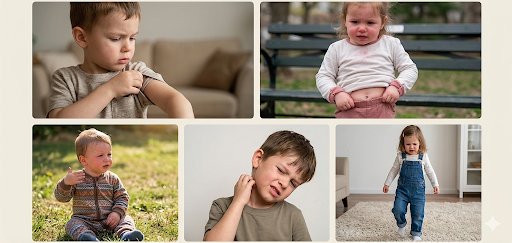
Not all clothing discomfort is obvious. In fact, some of the biggest irritations come from small details that are easy to miss when getting a child dressed. Here are some common clothing triggers that can affect a toddler’s comfort and behavior throughout the day:
- Scratchy Seams
Seams sit directly against the skin and move with the body all day long. If they’re bulky, rough, or poorly placed, they can create constant friction during play, walking, and climbing. A toddler may keep adjusting their clothes, tugging at certain areas, or become unusually bothered without being able to explain why.
- Tight Waistbands and Cuffs
Toddlers are always on the move. Waistbands that dig into the stomach or cuffs that feel restrictive can make everyday activities less comfortable. Over time, tight clothes for toddlers can lead to frustration, resistance to getting dressed, or a preference for only a few “comfortable” outfits.
- Heat-Trapping Synthetic Fabrics
Children tend to be active for much of the day, which means they can quickly become warm. Fabrics that don’t allow the skin to breathe may leave toddlers feeling hot, sweaty, and uncomfortable. When their body feels uncomfortable, their mood often follows, especially during active play or outdoor activities.
- Neck Tags and Rough Labels
Many parents are surprised by how much a small tag can bother a child. Labels that scratch the neck or rub against the skin can become a constant source of irritation. This is one reason why tag free toddler clothes have become increasingly popular among parents looking to reduce unnecessary distractions.
- Stiff or Heavy Materials
Toddlers learn about the world through movement. They run, squat, climb, stretch, and explore constantly. Clothing made from stiff or heavy fabrics can make these movements feel restricted, leaving children less comfortable and sometimes less willing to engage freely in play.
While each of these issues may seem minor on its own, they can add up throughout the day. Reducing these common sources of toddler clothing irritation helps create a more comfortable environment where children can focus less on what they’re wearing and more on the experiences around them.
How Sensory-Friendly Clothing Supports Emotional Growth
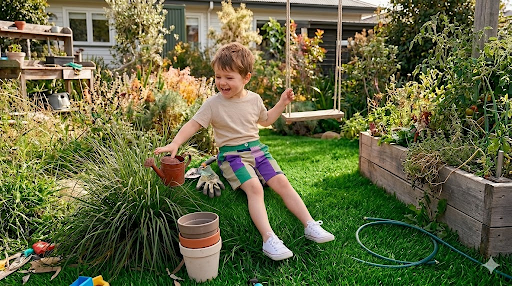
Parents often focus on the bigger factors that shape a child’s emotional well-being, such as sleep, nutrition, and routine. But everyday comfort matters too. When clothing feels gentle and predictable, it creates a more positive daily experience, helping toddlers move through routines with greater ease and less frustration.
- Helps Toddlers Stay Calm for Longer
When children aren’t constantly adjusting to an irritating tag, tight waistband, or uncomfortable fabric, they have one less thing competing for their attention. This can help them stay settled and engaged in activities for longer periods without becoming easily overwhelmed.
- Reduces Unnecessary Irritability
Not every difficult moment has a clear cause, but physical discomfort can make small frustrations feel much bigger. Comfortable clothing removes one potential source of stress, helping toddlers move through their day with fewer emotional ups and downs.
- Improves Focus During Play and Learning
Toddlers learn best when they’re fully engaged in what they’re doing. When clothing feels comfortable and non-distracting, children can focus more on building, creating, exploring, and developing new skills instead of reacting to how their clothes feel.
- Encourages Independence
As toddlers grow, they naturally want to do more things by themselves. Clothing that is comfortable, flexible, and easy to manage can make dressing less frustrating and help children build confidence as they practice simple self-care skills.
- Builds Trust in Everyday Routines
Daily routines like getting dressed, leaving the house, or getting ready for bed happen every day. When these experiences are consistently comfortable, toddlers know what to expect and often approach them with less resistance. Over time, these positive experiences help create a stronger sense of security and predictability.
While clothing is only one part of a child’s environment, comfortable toddler clothing can help remove unnecessary barriers, giving toddlers more space to develop confidence, independence, and healthy emotional habits as they grow.
What Makes Clothing Truly Sensory-Friendly?
Not every soft outfit is necessarily sensory-friendly. The difference often comes down to the small design details that determine how clothing feels after hours of wear, movement, and play.
When shopping for toddlers, here are some features worth looking for:
- Soft, Breathable Fabrics
Fabric is usually the first thing a child feels. Natural, breathable materials such as cotton help reduce overheating and feel gentler against sensitive skin. This is why many parents prefer soft clothes for toddlers that remain comfortable throughout active days.
- Flat or Minimal Seams
Seams may seem like a minor detail, but they sit against the skin all day. Flat, smooth seams help reduce rubbing and irritation, especially during play when toddlers are constantly moving.
- Tag-Free or Printed Labels
For some children, a small neck tag can become a constant distraction. Tag free toddler clothes or garments with printed labels help eliminate one of the most common sources of toddler clothing irritation.
- Stretch Without Tight Pressure
Toddlers bend, climb, crawl, and run throughout the day. Clothing should move with them, not restrict them. Gentle stretch provides flexibility without creating the discomfort often associated with tight clothes for toddlers.
- Lightweight and Non-Restrictive Design
Sensory-friendly clothing should feel easy to wear. Lightweight fabrics and relaxed designs allow children to move naturally without feeling weighed down or restricted, making everyday activities more comfortable.
The best sensory-friendly clothing often goes unnoticed by the child wearing it. When fabrics feel soft, seams stay out of the way, and nothing pinches, scratches, or irritates, toddlers can simply get on with the important work of being toddlers.
Why This Matters Even More in Hot Climates Like Kuwait
In warm climates like Kuwait, clothing comfort becomes even more important. Heat and humidity can make skin more sensitive, while sweat can make rough seams, scratchy tags, and uncomfortable fabrics feel even more irritating.
Toddlers also move frequently between outdoor heat and air-conditioned indoor spaces, which can make certain fabrics feel uncomfortable throughout the day. This is why lightweight, breathable, and comfortable toddler clothing is often a better choice for everyday wear.
When clothing helps children stay cool, dry, and comfortable, it removes one more source of physical discomfort, making it easier for them to stay settled and enjoy their daily activities.
How Loopa Supports Sensory-Friendly Dressing
At Loopa, comfort is considered from the very beginning of the design process. Each piece is made using soft, breathable, child-friendly fabrics that feel gentle against delicate skin. For newborn collections, care labels are thoughtfully placed on the outside of the garment to avoid direct contact with sensitive skin. As children grow, Loopa’s toddler clothing features soft, carefully stitched labels designed to stay comfortable throughout the day without causing irritation.
Thoughtful details help minimize common irritation points, while lightweight designs allow toddlers to play, rest, explore, and move comfortably throughout the day. Rather than focusing only on how clothing looks, Loopa prioritizes how it feels, because childhood is best spent discovering, learning, and making memories, not adjusting uncomfortable clothes.
Conclusion
When we think about a toddler’s emotional well-being, clothing isn’t always the first thing that comes to mind. Yet what children wear is part of their everyday environment, influencing how they experience play, routines, movement, and even moments of frustration.
Comfortable clothing helps reduce small sources of stress that can build up throughout the day. By minimizing clothing discomfort and creating a better sensory experience, parents can help support smoother routines, fewer unnecessary frustrations, and healthier emotional development in toddlers.
At the heart of it all is a simple idea: when children feel comfortable in their clothes, they often feel more comfortable in their world. And that sense of ease can help them approach each day with greater confidence, curiosity, and emotional balance.
Give your little one the comfort they deserve. Explore Loopa’s collection of soft, tag-free, lightweight clothing designed for everyday play, movement, and comfort.
FAQs
1. At what age do toddlers start showing sensitivity to clothing textures?
Many children begin showing sensitivity between 1–3 years, when sensory awareness develops and they become more aware of textures, seams, and tightness in clothing.
2. Can sensory-friendly clothing help toddlers with frequent tantrums?
It can help in some cases by removing physical discomfort triggers, which may reduce irritability that sometimes contributes to tantrum-like behavior.
3. Is sensory-friendly clothing only needed for children with sensory processing issues?
No, all toddlers can benefit from it since their skin and sensory systems are still developing and can be easily affected by rough or tight clothing.
4. How often should toddlers’ clothes be checked for comfort issues?
Parents should regularly reassess fit and fabric comfort, especially during growth spurts, as clothing that once felt fine may become tight or irritating quickly.
5. Are expensive brands necessary for sensory-friendly toddler clothing?
Not necessarily. Comfort depends more on fabric quality, seams, and design features than price, so affordable options can also be sensory-friendly.
Category
Recent Posts
How to Handle Sudden Temperature Changes With Layered Kids Clothing
It’s a familiar routine for many parents. Your child steps out into the warm morning air, spends time in an air-conditioned classroom, jumps into a chilled car after school, and later visits a mall that’s even colder than outside. By the end of the day, they have experienced multiple temperature changes without ever leaving their…

How Sensory-Friendly Clothing Supports Emotional Development in Toddlers
One minute your toddler is happily playing, and the next they’re tugging at their shirt, refusing to wear their favorite outfit, or getting upset while you’re trying to get them dressed. As parents, it’s natural to wonder what’s causing the sudden change. Sometimes, the answer has nothing to do with mood or behavior. A scratchy…
Why Is “Easy to Change” Becoming One of the Most Important Features in Babywear?
It usually starts at the most inconvenient moment – your baby has just fallen asleep, and you realize a diaper change is needed. Or you have finally stepped out of the house, and there’s a quick spit-up situation. In those moments, even a small delay in removing or changing clothes can feel like a big…
How to Read Kidswear Labels Like a Smart Parent
We have all been there. You are scrolling online or browsing a boutique, and you spot it: the most adorable children’s outfit. The color is perfect, the design is trendy, and the price fits your budget. Into the cart it goes! But a few weeks later, that beautiful outfit is sitting at the bottom…
Make a Mess. Make a Statement
Follow Us On


Need Help? Chat with us

Copyright © Loopa. All rights reserved. Powered by Hats-Off