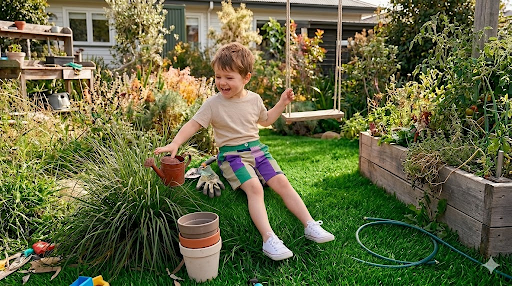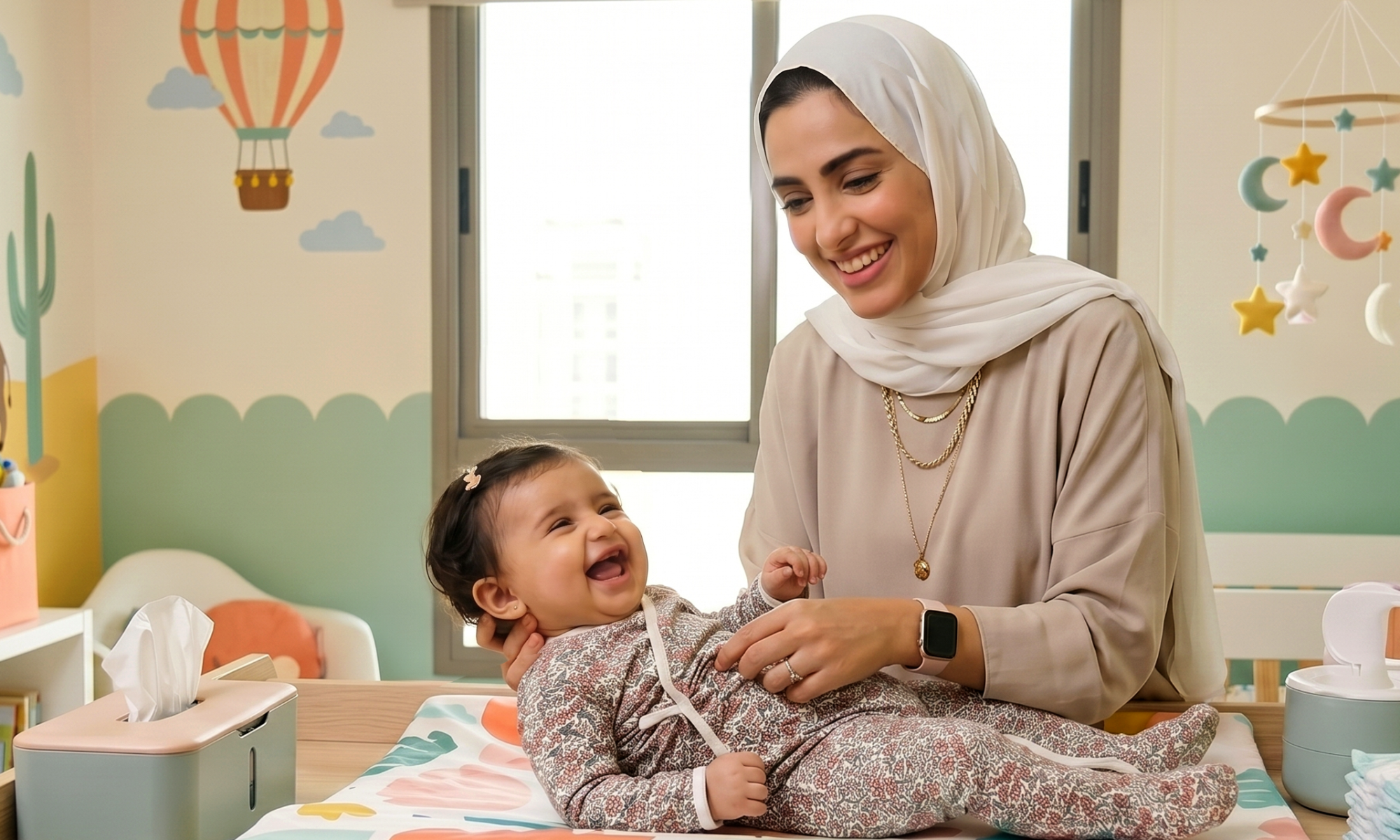

How to Handle Sudden Temperature Changes With Layered Kids Clothing
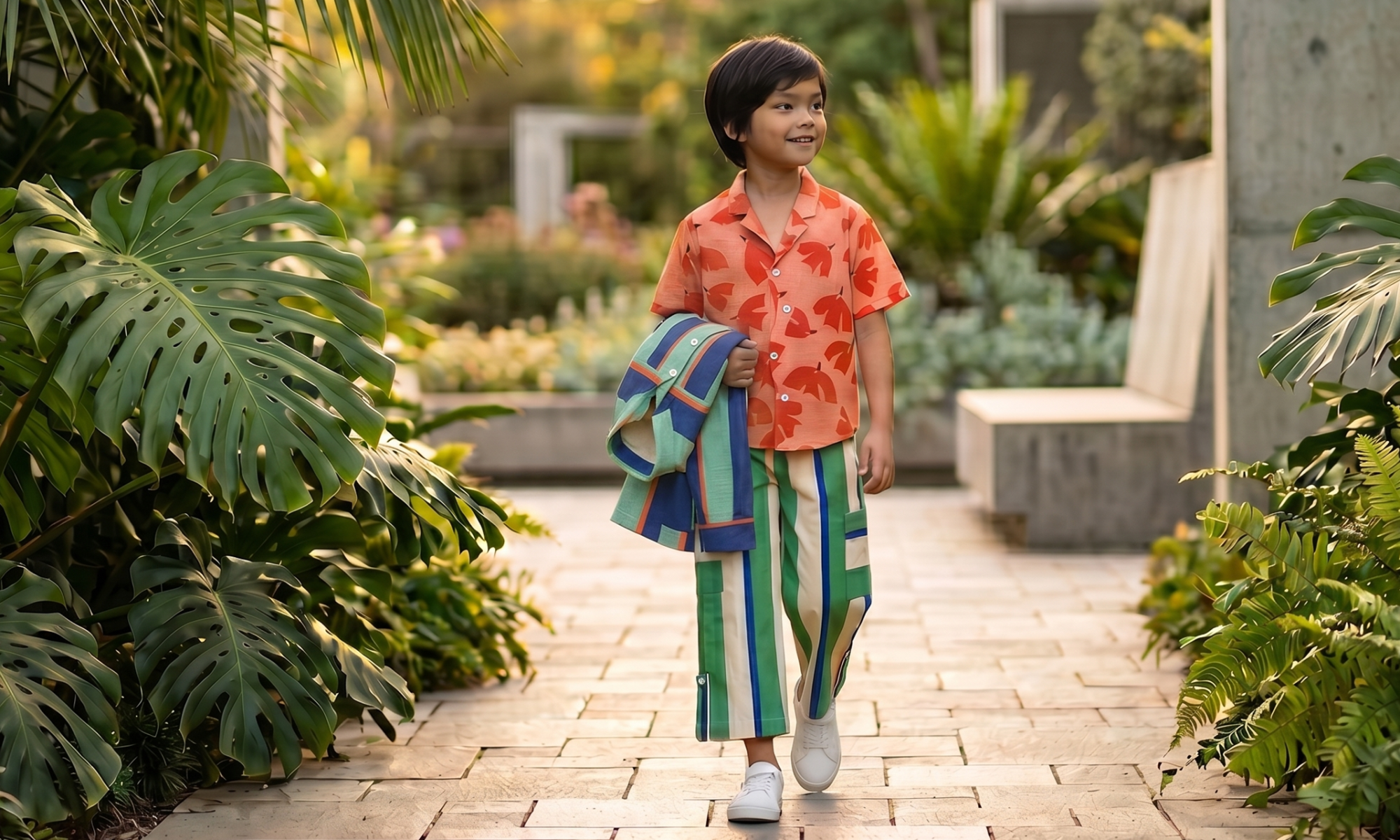
Layered Kids Clothing for Indoor AC Temprature

It’s a familiar routine for many parents. Your child steps out into the warm morning air, spends time in an air-conditioned classroom, jumps into a chilled car after school, and later visits a mall that’s even colder than outside. By the end of the day, they have experienced multiple temperature changes without ever leaving their normal routine.

This is especially common in places like Kuwait, where moving between outdoor heat and heavily air-conditioned spaces is part of everyday life. As a result, parents often find themselves adding a layer, removing a layer, and then putting it back on again a few hours later.

That’s where layered kids clothing becomes less about style and more about comfort. The right approach to layering clothes helps children adapt to changing temperatures throughout the day without feeling too hot outside or too cold indoors. It’s a simple way to make sure kids stay comfortable wherever the day takes them.

Children don’t experience temperature changes the same way adults do. Their bodies are still developing, which means they can heat up quickly during active play and feel chilly just as fast when they move into a strongly air-conditioned space.

Think about a typical day. A child might spend recess running outdoors, arrive slightly sweaty, and then walk straight into a cool classroom or car. Those sudden shifts between heat and cold can feel uncomfortable, especially when they’re wearing the same outfit all day.

Unlike adults, kids rarely stop to think, “I’m too warm” or “I need another layer.” Instead, discomfort often shows up in other ways. They may become restless, complain about their clothes, or seem irritable during AC and outdoor temperature changes.

This is one reason why kids clothing for hot weather needs to do more than simply look good. The goal is to help children stay comfortable as temperatures change throughout the day, making it easier for them to focus on school, play, and everything else that fills their schedule.

Why Layering Works

When many parents hear the word layering, they picture multiple thick pieces of clothing. In reality, smart layering is much simpler than that.

The idea is to combine light, breathable pieces that can be added or removed as temperatures change. Instead of dressing a child for just one environment, layered kids clothing helps them stay comfortable whether they’re outside in the heat, sitting in an air-conditioned classroom, or spending time indoors at a mall.

A lightweight cotton tee, an open shirt, or a thin cover-up can make a big difference when moving between different temperatures throughout the day. If it gets warm, a layer comes off. If the AC feels too cold, a layer goes back on.

The best clothes layering ideas aren’t about adding bulk; they are about creating flexibility. When clothing can adapt quickly to changing environments, children can stay comfortable without constantly feeling too hot or too cold.

The Best Layering Strategy for Hot Climates

Layering works best when each piece has a purpose. In hot climates like Kuwait, the goal is to create flexibility for temperature changes throughout the day.

  • Start With a Breathable Base Layer

The first layer sits against your child’s skin, so comfort matters most here. Lightweight cotton pieces are often considered the best fabric for kids clothing because they allow air to circulate and help manage heat during active play.

  • Add a Light Middle Layer

A thin shirt, lightweight overshirt, or easy cover-up can provide just enough extra warmth when moving into air-conditioned spaces. It should be easy for parents or children to remove when heading back outdoors.

  • Keep an Extra Layer for Strong AC

For long school days, mall visits, or travel, a light cardigan or jacket can be useful to keep nearby. The key is choosing something that adds comfort without feeling bulky or restrictive.

  • Focus on Lightweight, Comfortable Pieces

The most effective kids layered clothes don’t feel heavy. Each layer should be breathable, easy to wear, and comfortable enough to move in. When layering is done well, children barely notice it, they simply stay comfortable throughout the day.

Common Layering Mistakes Parents Make

Layering can make a big difference in a child’s comfort, but only when it’s done thoughtfully. Sometimes, the intention is right, but the clothing choices end up making kids feel less comfortable instead of more.

  • Using Thick Layers in Hot Weather

When temperatures are already high, heavy fabrics can quickly trap heat and make children feel uncomfortable. Layering should provide flexibility, not extra warmth that isn’t needed.

  • Choosing Synthetic Fabrics

Not all layers work the same way. Fabrics that trap heat and moisture can leave children feeling hot and sticky, especially during active parts of the day. This is why the best fabric for kids clothing is often a breathable material that allows air to circulate naturally.

  • Adding Too Many Layers

More layers don’t always mean more comfort. If children are constantly sweating, removing clothes, or complaining about feeling hot, it may be a sign that the outfit is doing too much.

  • Dressing “Just in Case”

Many parents add extra layers before leaving home, expecting the weather or AC to feel colder later. The problem is that children often spend most of their day carrying around clothing they don’t actually need. A lightweight, easy-to-remove layer is usually a more practical solution.

  • Forgetting About Movement

Children rarely stay still for long. Layers that feel tight, bulky, or restrictive can quickly become uncomfortable, making it harder for them to run, play, and move freely throughout the day.

The best layering strategy keeps things simple: breathable fabrics, lightweight pieces, and enough flexibility to adjust as temperatures change.

Fabric Choice Matters More Than the Number of Layers

Parents often focus on how many layers their child is wearing, but the fabric itself can have an even bigger impact on comfort.

A child wearing two lightweight, breathable layers may feel far more comfortable than a child wearing a single outfit made from a fabric that traps heat. That’s because good fabrics help regulate temperature, manage moisture, and allow air to move freely throughout the day.

When choosing kids clothing for hot weather, cotton is often one of the most practical options. It feels soft against the skin, allows the body to breathe, and helps reduce the sticky feeling that can come from sweat buildup during active play.

On the other hand, fabrics that hold heat and moisture can make layering less effective. Even if the outfit looks appropriate for the weather, children may still feel uncomfortable if the material doesn’t allow enough airflow.

This is why parents should focus on the fabric before thinking about additional layers. When the foundation is breathable and comfortable, every layer added on top works better.

Signs Your Child Needs a Layering Adjustment

Children don’t always tell us when they’re too hot or too cold. More often, they show it through small behaviors that are easy to overlook during a busy day.

Here are a few signs that their current outfit may need a quick adjustment:

  • Constantly removing clothing or asking for layers to come off.
  • Pulling at collars, sleeves, or waistbands because they feel uncomfortable.
  • Sweating indoors, especially in air-conditioned spaces.
  • Complaining about being cold shortly after moving inside.
  • Becoming restless or irritable during travel, shopping trips, or long periods indoors.
  • Avoiding jackets or cover-ups because they feel too bulky or restrictive.

These signs don’t always mean there’s a problem with the outfit itself. Sometimes, they simply indicate that the clothing isn’t matching the environment. Adding a light layer, removing one, or choosing more breathable fabrics can often make a noticeable difference in your child’s comfort.

Why Layering Matters Even More in Kuwait

In Kuwait, it’s completely normal to experience two very different temperatures within a matter of minutes. A child might leave home in the heat, spend the morning in an air-conditioned classroom, ride in a cooled car, and later visit a mall with even stronger AC.

These frequent AC and outdoor temperature changes are part of daily life, which is why a single outfit often isn’t enough to stay comfortable all day. What feels perfect outdoors can feel chilly indoors, and what works in an air-conditioned space may feel too warm once children step back outside.

This is where kids clothing for Kuwait weather needs to be practical and adaptable. Lightweight layers allow children to adjust to changing environments without constantly feeling too hot, too cold, or restricted by heavy clothing.

How Loopa Supports Smart Layering

At Loopa, comfort is designed into every piece. Our collections are made with lightweight, breathable fabrics that work well as the foundation of layered kids clothing, helping children stay comfortable through both warm outdoor temperatures and cool indoor spaces.

The soft fabrics feel gentle against the skin, while the relaxed fits make it easy to layer without adding unnecessary bulk. Whether it’s a day at school, a family outing, or an afternoon of play, Loopa pieces are designed to move with children and adapt to changing environments.

Because the best comfortable kids clothing isn’t just about how it looks, it’s about helping kids feel comfortable, confident, and ready for whatever the day brings.

Conclusion 

When layering is done right, it’s about adding flexibility. Lightweight, breathable pieces help children adjust easily to AC and outdoor temperature changes, without feeling too hot, too cold, or restricted.

In the end, the goal is simple. The best approach to kids clothing for hot weather is the one that removes stress for both parents and children. Because when kids are comfortable, everything else – play, learning, and everyday moments – flows a little more smoothly.

At Loopa, this idea is at the core of every design. Each piece is created using soft, breathable fabrics and comfortable fits that support easy layering. Built for real daily movement and changing environments, Loopa helps children stay comfortable wherever the day takes them.

FAQs  

1. What is layered kids clothing?

Layered kids clothing refers to dressing children in light, breathable pieces that can be added or removed easily depending on temperature changes throughout the day.

2. Why is layering important for kids in hot weather?

In hot climates, children often move between outdoor heat and air-conditioned spaces. Layering clothes helps them stay comfortable in both environments without overheating or feeling too cold.

3. What is the best fabric for kids clothing in layered outfits?

The best fabric for kids clothing is usually breathable materials like cotton, which allow air circulation and help manage sweat during active play.

4. How many layers should kids wear in warm climates like Kuwait?

In most cases, two to three lightweight layers are enough. The focus should be on breathable, easy-to-remove pieces rather than heavy or thick clothing.

5. Can layering help with AC and outdoor temperature changes?

Yes, smart layering helps children adapt quickly to AC and outdoor temperature changes by allowing parents to add or remove a layer as needed throughout the day.
How Sensory-Friendly Clothing Supports Emotional Development in Toddlers

Comfortable toddler clothing

One minute your toddler is happily playing, and the next they’re tugging at their shirt, refusing to wear their favorite outfit, or getting upset while you’re trying to get them dressed. As parents, it’s natural to wonder what’s causing the sudden change.

Sometimes, the answer has nothing to do with mood or behavior. A scratchy tag, a rough seam, or fabric that doesn’t feel right can be enough to make a toddler uncomfortable. Since young children can’t always explain what they’re feeling, that discomfort often comes out through frustration, resistance, or what looks like typical toddler tantrums.

That’s why more parents are paying attention to comfortable toddler clothing. Small details like softer fabrics and tag free toddler clothes can help reduce everyday clothing discomfort, allowing toddlers to focus on what they do best – playing, exploring, and learning about the world around them. And over time, those comfortable experiences can play a surprisingly important role in emotional development in toddlers.

What Is Sensory-Friendly Clothing?

Sensory-friendly clothing is designed to feel comfortable from the moment a child puts it on. Instead of focusing only on how an outfit looks, it pays close attention to how the fabric, seams, and overall design feel against a toddler’s skin throughout the day.

The goal is to remove small physical distractions that can affect a child’s comfort. Things like rough seams, tight elastic bands, scratchy tags, or stiff fabrics may seem minor to adults, but for toddlers, they can be uncomfortable enough to interrupt play, movement, and even their mood.

That’s why sensory-friendly designs often use softer materials, gentler construction, and thoughtful details that help reduce toddler clothing irritation. Some of the most common features include:

  • Tag-free designs that prevent scratching and irritation around the neck.
  • Flat or seamless stitching that reduces rubbing against sensitive skin.
  • Soft, natural fabrics such as bamboo, modal, and cotton jersey that feel gentle throughout the day.
  • Comfortable fits that avoid the discomfort caused by overly tight clothes for toddlers.
  • Gentle compression features in some garments that provide a light, calming pressure for children who benefit from extra sensory support.

Choosing softer fabrics, avoiding itchy clothes for toddlers, and minimizing common irritants helps create a more comfortable experience throughout the day. When clothing feels good, toddlers spend less time reacting to discomfort and more time focusing on what they naturally love to do – play, explore, learn, and interact with the world around them.

The Link Between Clothing and Emotional Regulation

Toddlers experience the world differently than adults. Their senses are still developing, which means they often notice things that older children and adults can easily ignore. A seam that feels slightly rough, a shirt that’s too warm, or fabric that feels scratchy can feel much more noticeable to them.

Part of the reason is that toddlers are still developing their sensory processing skills. Their nervous system is constantly learning how to interpret different sensations, including texture, pressure, temperature, and touch. As a result, certain clothing sensations can feel overwhelming or distracting.

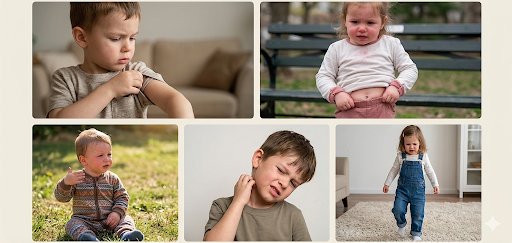
The challenge is that toddlers don’t always have the words to explain what’s bothering them. Instead of saying their clothes feel uncomfortable, they may show it through their behavior. Parents often notice signs such as:

  • Pulling at clothing repeatedly
  • Refusing to wear certain outfits
  • Becoming restless or unusually fussy
  • Crying during dressing time
  • Wanting to change clothes frequently

These reactions aren’t always about the clothing itself, but clothing discomfort can sometimes be an overlooked reason behind them. When toddlers are distracted by irritation, it becomes harder for them to focus on playing, learning, and interacting comfortably with the world around them.

Common Clothing Triggers That Affect Toddlers

Clothing discomfort

Not all clothing discomfort is obvious. In fact, some of the biggest irritations come from small details that are easy to miss when getting a child dressed. Here are some common clothing triggers that can affect a toddler’s comfort and behavior throughout the day:

  • Scratchy Seams

Seams sit directly against the skin and move with the body all day long. If they’re bulky, rough, or poorly placed, they can create constant friction during play, walking, and climbing. A toddler may keep adjusting their clothes, tugging at certain areas, or become unusually bothered without being able to explain why.

  • Tight Waistbands and Cuffs

Toddlers are always on the move. Waistbands that dig into the stomach or cuffs that feel restrictive can make everyday activities less comfortable. Over time, tight clothes for toddlers can lead to frustration, resistance to getting dressed, or a preference for only a few “comfortable” outfits.

  • Heat-Trapping Synthetic Fabrics

Children tend to be active for much of the day, which means they can quickly become warm. Fabrics that don’t allow the skin to breathe may leave toddlers feeling hot, sweaty, and uncomfortable. When their body feels uncomfortable, their mood often follows, especially during active play or outdoor activities.

  • Neck Tags and Rough Labels

Many parents are surprised by how much a small tag can bother a child. Labels that scratch the neck or rub against the skin can become a constant source of irritation. This is one reason why tag free toddler clothes have become increasingly popular among parents looking to reduce unnecessary distractions.

  • Stiff or Heavy Materials

Toddlers learn about the world through movement. They run, squat, climb, stretch, and explore constantly. Clothing made from stiff or heavy fabrics can make these movements feel restricted, leaving children less comfortable and sometimes less willing to engage freely in play.

While each of these issues may seem minor on its own, they can add up throughout the day. Reducing these common sources of toddler clothing irritation helps create a more comfortable environment where children can focus less on what they’re wearing and more on the experiences around them.

How Sensory-Friendly Clothing Supports Emotional Growth

Sensory-Friendly Clothing

Parents often focus on the bigger factors that shape a child’s emotional well-being, such as sleep, nutrition, and routine. But everyday comfort matters too. When clothing feels gentle and predictable, it creates a more positive daily experience, helping toddlers move through routines with greater ease and less frustration. 

  • Helps Toddlers Stay Calm for Longer

When children aren’t constantly adjusting to an irritating tag, tight waistband, or uncomfortable fabric, they have one less thing competing for their attention. This can help them stay settled and engaged in activities for longer periods without becoming easily overwhelmed.

  • Reduces Unnecessary Irritability

Not every difficult moment has a clear cause, but physical discomfort can make small frustrations feel much bigger. Comfortable clothing removes one potential source of stress, helping toddlers move through their day with fewer emotional ups and downs.

  • Improves Focus During Play and Learning

Toddlers learn best when they’re fully engaged in what they’re doing. When clothing feels comfortable and non-distracting, children can focus more on building, creating, exploring, and developing new skills instead of reacting to how their clothes feel.

  • Encourages Independence

As toddlers grow, they naturally want to do more things by themselves. Clothing that is comfortable, flexible, and easy to manage can make dressing less frustrating and help children build confidence as they practice simple self-care skills.

  • Builds Trust in Everyday Routines

Daily routines like getting dressed, leaving the house, or getting ready for bed happen every day. When these experiences are consistently comfortable, toddlers know what to expect and often approach them with less resistance. Over time, these positive experiences help create a stronger sense of security and predictability.

While clothing is only one part of a child’s environment, comfortable toddler clothing can help remove unnecessary barriers, giving toddlers more space to develop confidence, independence, and healthy emotional habits as they grow.

What Makes Clothing Truly Sensory-Friendly?

Not every soft outfit is necessarily sensory-friendly. The difference often comes down to the small design details that determine how clothing feels after hours of wear, movement, and play.

When shopping for toddlers, here are some features worth looking for:

  • Soft, Breathable Fabrics

Fabric is usually the first thing a child feels. Natural, breathable materials such as cotton help reduce overheating and feel gentler against sensitive skin. This is why many parents prefer soft clothes for toddlers that remain comfortable throughout active days.

  • Flat or Minimal Seams

Seams may seem like a minor detail, but they sit against the skin all day. Flat, smooth seams help reduce rubbing and irritation, especially during play when toddlers are constantly moving.

  • Tag-Free or Printed Labels

For some children, a small neck tag can become a constant distraction. Tag free toddler clothes or garments with printed labels help eliminate one of the most common sources of toddler clothing irritation.

  • Stretch Without Tight Pressure

Toddlers bend, climb, crawl, and run throughout the day. Clothing should move with them, not restrict them. Gentle stretch provides flexibility without creating the discomfort often associated with tight clothes for toddlers.

  • Lightweight and Non-Restrictive Design

Sensory-friendly clothing should feel easy to wear. Lightweight fabrics and relaxed designs allow children to move naturally without feeling weighed down or restricted, making everyday activities more comfortable.

The best sensory-friendly clothing often goes unnoticed by the child wearing it. When fabrics feel soft, seams stay out of the way, and nothing pinches, scratches, or irritates, toddlers can simply get on with the important work of being toddlers.

Why This Matters Even More in Hot Climates Like Kuwait

In warm climates like Kuwait, clothing comfort becomes even more important. Heat and humidity can make skin more sensitive, while sweat can make rough seams, scratchy tags, and uncomfortable fabrics feel even more irritating.

Toddlers also move frequently between outdoor heat and air-conditioned indoor spaces, which can make certain fabrics feel uncomfortable throughout the day. This is why lightweight, breathable, and comfortable toddler clothing is often a better choice for everyday wear.

When clothing helps children stay cool, dry, and comfortable, it removes one more source of physical discomfort, making it easier for them to stay settled and enjoy their daily activities.

How Loopa Supports Sensory-Friendly Dressing

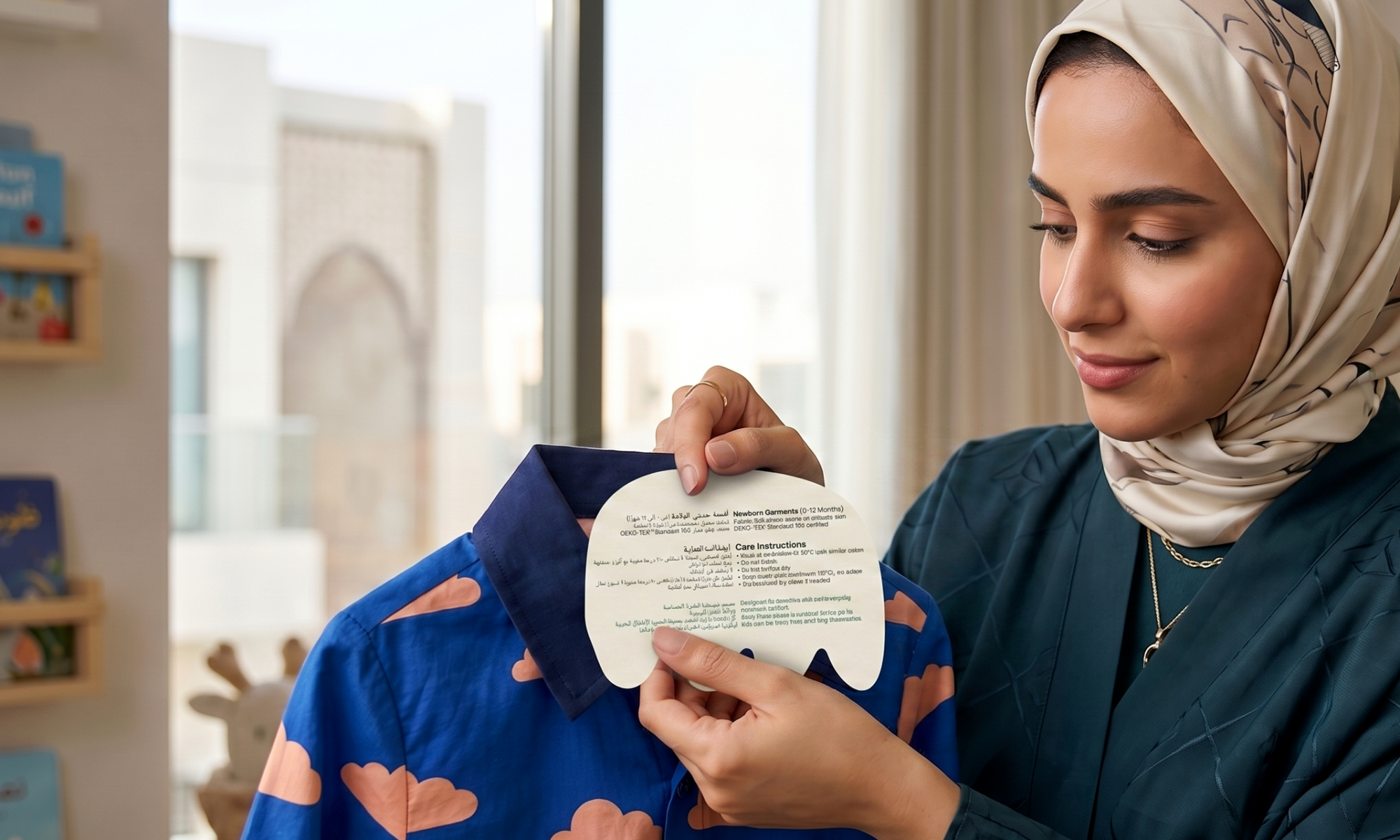
At Loopa, comfort is considered from the very beginning of the design process. Each piece is made using soft, breathable, child-friendly fabrics that feel gentle against delicate skin. For newborn collections, care labels are thoughtfully placed on the outside of the garment to avoid direct contact with sensitive skin. As children grow, Loopa’s toddler clothing features soft, carefully stitched labels designed to stay comfortable throughout the day without causing irritation. 

Thoughtful details help minimize common irritation points, while lightweight designs allow toddlers to play, rest, explore, and move comfortably throughout the day. Rather than focusing only on how clothing looks, Loopa prioritizes how it feels, because childhood is best spent discovering, learning, and making memories, not adjusting uncomfortable clothes.

Conclusion 

When we think about a toddler’s emotional well-being, clothing isn’t always the first thing that comes to mind. Yet what children wear is part of their everyday environment, influencing how they experience play, routines, movement, and even moments of frustration.

Comfortable clothing helps reduce small sources of stress that can build up throughout the day. By minimizing clothing discomfort and creating a better sensory experience, parents can help support smoother routines, fewer unnecessary frustrations, and healthier emotional development in toddlers.

At the heart of it all is a simple idea: when children feel comfortable in their clothes, they often feel more comfortable in their world. And that sense of ease can help them approach each day with greater confidence, curiosity, and emotional balance.

Give your little one the comfort they deserve. Explore Loopa’s collection of soft, tag-free, lightweight clothing designed for everyday play, movement, and comfort. 

FAQs

1. At what age do toddlers start showing sensitivity to clothing textures?
Many children begin showing sensitivity between 1–3 years, when sensory awareness develops and they become more aware of textures, seams, and tightness in clothing.

2. Can sensory-friendly clothing help toddlers with frequent tantrums?
It can help in some cases by removing physical discomfort triggers, which may reduce irritability that sometimes contributes to tantrum-like behavior.

3. Is sensory-friendly clothing only needed for children with sensory processing issues?
No, all toddlers can benefit from it since their skin and sensory systems are still developing and can be easily affected by rough or tight clothing.

4. How often should toddlers’ clothes be checked for comfort issues?
Parents should regularly reassess fit and fabric comfort, especially during growth spurts, as clothing that once felt fine may become tight or irritating quickly.

5. Are expensive brands necessary for sensory-friendly toddler clothing?
Not necessarily. Comfort depends more on fabric quality, seams, and design features than price, so affordable options can also be sensory-friendly.

Why Is “Easy to Change” Becoming One of the Most Important Features in Babywear?

Easy to change baby clothes

It usually starts at the most inconvenient moment – your baby has just fallen asleep, and you realize a diaper change is needed. Or you have finally stepped out of the house, and there’s a quick spit-up situation. In those moments, even a small delay in removing or changing clothes can feel like a big task.

This is exactly where easy to change baby clothes begin to matter in real life. With a newborn baby, dressing is something you repeat over and over, often when the baby is sleepy, upset, or already uncomfortable.

That’s when the design of baby clothes with easy access makes a real difference. A simpler opening, fewer steps, or a smoother change can mean the baby stays calmer, and the parent doesn’t have to fully wake them up or struggle through layers at odd hours.

Slowly, the focus stops being about choosing “cute outfits” and becomes about choosing clothes that actually fit into those unpredictable, very real parenting moments.

What “Easy to Change Baby Clothes” Really Means

When parents hear easy to change baby clothes, it often sounds like it just means “quick buttons” or a “simple zipper.” But in real life, it’s less about one feature and more about how the entire outfit behaves during those messy, repeated, unpredictable changes.

Think of a 2 a.m. diaper change – dim lights, a half-asleep baby, and you trying not to fully wake them. In that moment, baby clothes with easy access means you can open just enough of the outfit to do what you need, without pulling everything over the baby’s head or struggling with multiple layers.

Why Parents Choose “Easy to Change Baby Clothes” Today

Easy to change baby clothes have become popular because they make everyday care feel more manageable. Instead of struggling with multiple buttons or complicated snaps, parents now rely on simple designs like zippers, envelope necks, or easy-access openings that help during quick diaper changes and dressing.

This becomes especially useful during night routines or moments when the baby is unsettled. In those situations, being able to change the baby quickly without too many steps helps keep the process calm and less disruptive.

Beyond convenience, easy to change baby clothes are also designed with comfort in mind. Soft, stretchy fabrics allow the clothing to move with the baby, making it easier to dress and undress without pulling or discomfort. This combination of comfort and simplicity helps parents handle daily routines more smoothly, especially when changes happen multiple times a day.

Perfect. Now we have actual features to work with, which makes the content much more authentic and engaging.

Here’s how I would write this section in a warm, playful, parent-focused tone while naturally highlighting the easy-change benefits.

Loopa Picks That Make Everyday Changes Feel Easier

Some baby outfits earn a permanent spot in the drawer. Not because they are reserved for special occasions, but because they make everyday life a little smoother. A quicker diaper change. Less wriggling during dressing. More time for cuddles, playtime, and everything else that fills a parent’s day.

These Loopa favorites are thoughtfully designed around those little moments.

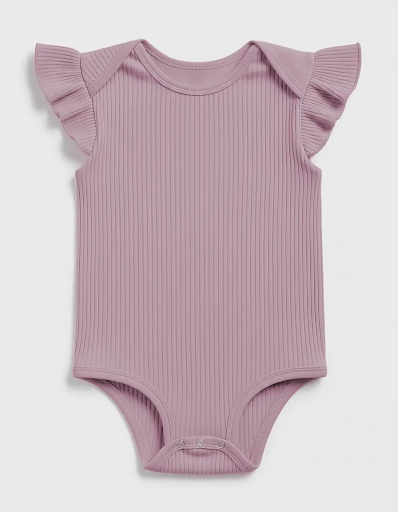
Little Nest

Newborn baby clothes in Kuwait

What parents will appreciate most are the hidden pins and easy-open straps that make changes feel simple. No complicated fastening, no unnecessary tugging – just a smoother way to handle those many outfit and diaper changes that come with newborn life. For babies who are active, expressive, and always on the move, Little Nest keeps up beautifully.

Tiny Sailor

Baby romper

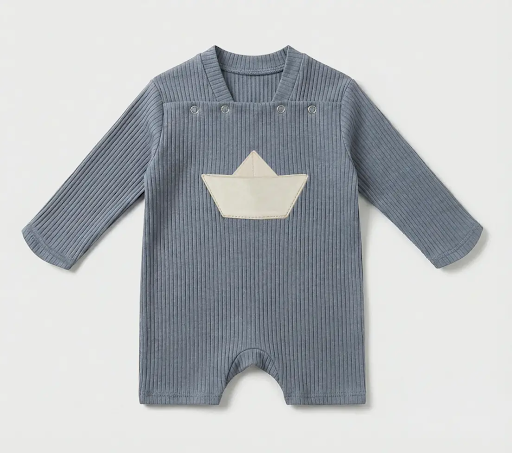
The relaxed fit allows plenty of movement while the soft fabric keeps things comfortable throughout the day. Complete with its matching hat, Tiny Sailor feels like the kind of outfit that’s ready for family visits, park strolls, and all the unexpected adventures that find their way into a normal day.

Petal Dance

Infant baby clothes

The soft, breathable fabric helps keep babies comfortable whether they’re crawling across the floor, discovering something fascinating in a corner of the room, or enjoying a sunny afternoon stroll. It’s the kind of outfit that moves as freely as curious little minds do.

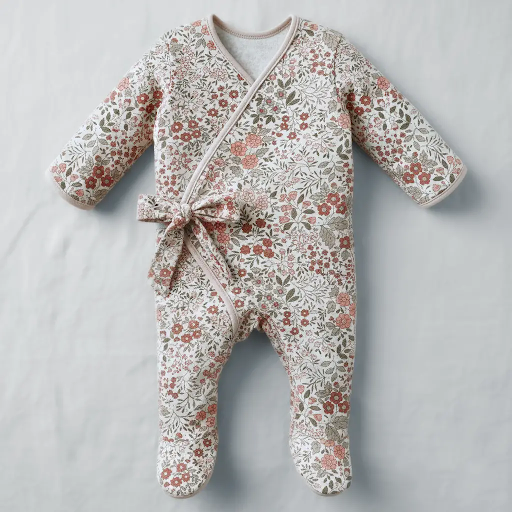
Yume 

easy to change baby clothes

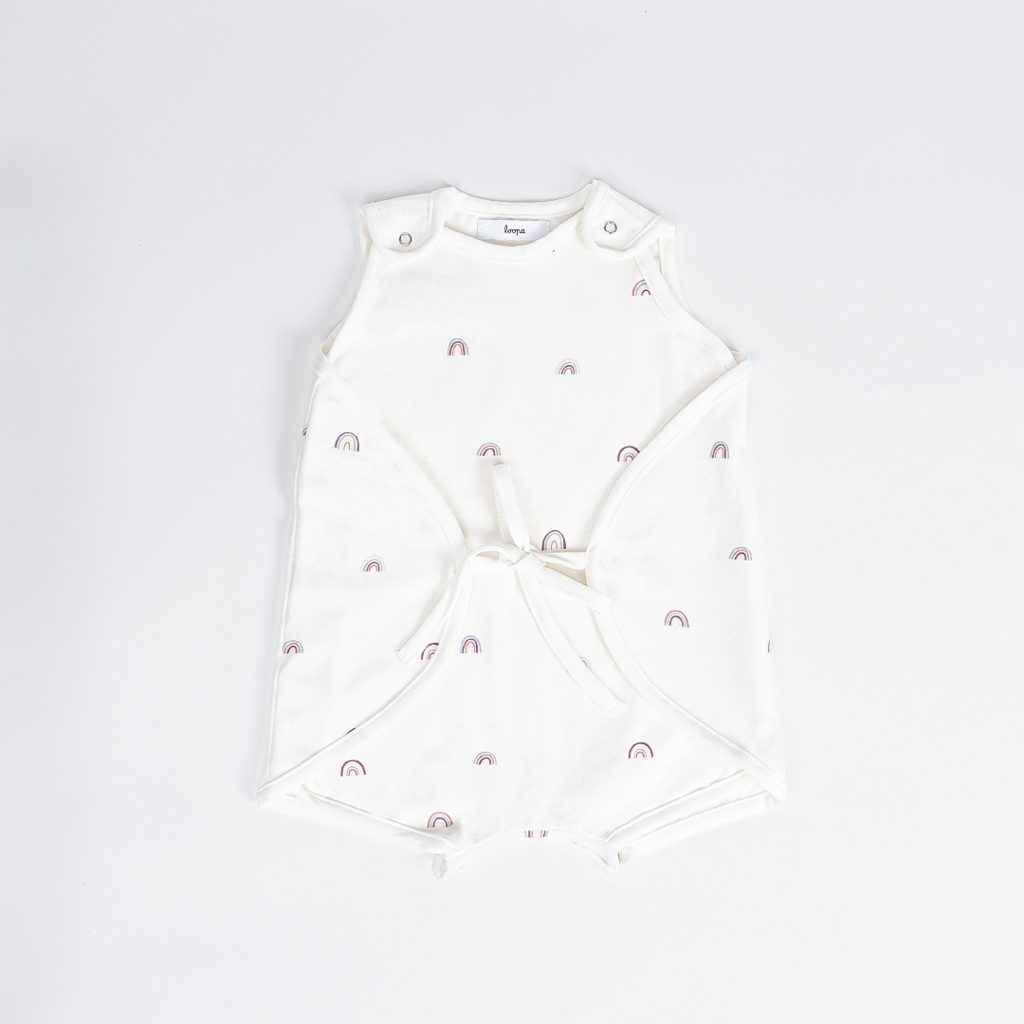
Yume feels calm from the moment you see it. Inspired by simplicity and comfort, its thoughtful wrap-style design and easy ties make dressing feel gentle and uncomplicated.

There’s something reassuring about an outfit that doesn’t require a struggle to put on or take off. Yume allows parents to move through changes smoothly while keeping babies comfortable through playtime, nap time, and all those small adventures that fill a day. Soft, charming, and beautifully practical, it’s designed for moments that deserve to feel unhurried.

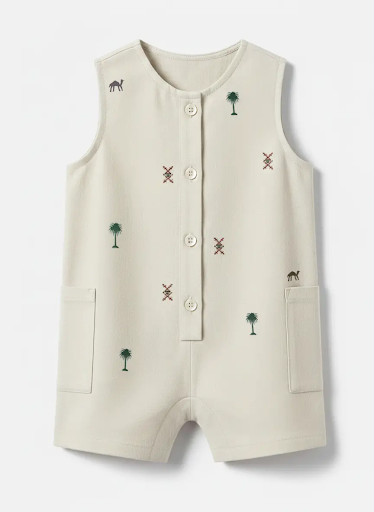
Little Sahara

baby clothes with easy access

Inspired by Kuwait’s desert landscape, Little Sahara brings together comfort, storytelling, and everyday practicality. Made from breathable linen, it helps keep babies cool and comfortable even during warmer days.

The relaxed fit gives plenty of room for movement, making it a wonderful choice for little explorers who are learning to crawl, reach, and discover the world around them. Thoughtful details like the camel and palm tree motifs add personality, while the easy-wearing design helps parents navigate daily changes with less fuss and more ease.

Conclusion

When it comes to caring for a baby, the smallest details often make the biggest difference. A smoother diaper change, a quicker outfit swap before heading out, or a calmer bedtime routine can all be influenced by the clothes your little one wears.

This is why easy to change baby clothes have become such an important part of modern parenting. Combined with the comfort of soft baby clothes and thoughtful designs that support everyday routines, they help make frequent changes feel less like a task and more like a natural part of the day.

Whether you’re shopping for newborn baby clothes or looking for practical pieces that grow with your little one, choosing babywear designed for comfort, ease, and movement can make everyday moments a little simpler – for both baby and parent. At Loopa, every collection is created with that balance in mind, helping families spend less time adjusting outfits and more time enjoying the moments that matter most.

FAQs

1. What are the best clothing features that make baby changes quicker and easier?
Look for envelope necks, front or side zippers, snap buttons, and wide openings that allow quick access during diaper changes without fully undressing the baby.

2. How do easy-to-change baby clothes support better sleep routines?
They help reduce disturbance during night diaper changes, allowing parents to change the baby quickly and gently without fully waking them up.

3. Are zippered baby clothes better than button-based outfits?
Zippers are often faster for quick changes, while snap buttons offer more flexibility. The best choice depends on comfort, safety, and ease of handling.

4. How many easy-change outfits does a newborn typically need?
Newborns may require multiple changes daily, so having several easy-access outfits helps parents manage frequent diaper and spit-up changes more comfortably.

5. Can easy-to-change clothing reduce stress for first-time parents?
Yes, simpler clothing designs reduce handling time and confusion, making daily care routines feel more manageable and less overwhelming for new parents.

How to Read Kidswear Labels Like a Smart Parent

How to read kids' clothing labels


We have all been there. You are scrolling online or browsing a boutique, and you spot it: the most adorable children’s outfit. The color is perfect, the design is trendy, and the price fits your budget. Into the cart it goes!

But a few weeks later, that beautiful outfit is sitting at the bottom of the closet. Why? Because your child complains it is "too itchy," or they break into a sweat within five minutes of putting it on.

As parents, we naturally check the design, color, and price tag first. But the most important part of any garment is actually the smallest: that tiny tag stitched into the seam. In kidswear, what is written on the inside matters infinitely more than how it looks on the outside. Learning how to read kids' clothing labels is the ultimate parenting hack to save money, avoid tantrums, and protect your child's skin.

Why Kidswear Labels Matter More Than Adult Clothing

 Adults are willing to suffer for fashion. We will tolerate a stiff, synthetic shirt if the outfit looks sleek. Kids don't have that filter, and biologically, their bodies can't handle it.

A child’s skin is up to 30% thinner than ours. Its protective outer barrier is delicate and highly permeable, meaning harsh dyes and rough fibers irritate much faster. Combine that with the fact that children are tiny, active heat engines, constantly running and sweating, and the stakes get much higher.

When synthetic fabric rubs against a sweaty toddler, it acts like sandpaper. It locks in body heat and traps moisture against the skin, triggering sudden friction rashes and eczema flare-ups.

This is why checking clothing label tags matters so much more for children. An adult tag is just a laundry guide. A child's tag is a warning system. If you want to find truly skin friendly kids clothing, you have to look past the style on the hanger. The tag inside tells you exactly how much heat and friction you are introducing to your child's day before they even put the outfit on.

How to Read Kids Clothing Labels 

1) The First Thing to Check: Fabric Composition

When you flip over clothing labels, skip the brand logo and go straight for the math. You are looking for a complete percentage breakdown. This numbers game is the absolute foundation of finding true comfort fabric for baby clothes and toddlers.

The Gold Standard: 100% Cotton

If the tag reads 100% cotton, you are usually safe. Cotton is widely considered the best fabric for kids clothing because it is a natural, hollow fiber. It acts like a built-in exhaust system, pulling moisture away from the skin and letting air circulate freely so your child stays cool.

The Red Flags: High Synthetics

If you see high percentages of polyester, nylon, or acrylic, proceed with caution. Synthetic-heavy fabrics are essentially woven plastic. They do not breathe. Instead of absorbing sweat, they lock it in, turning a sunny afternoon into a humid, itchy nightmare for your kid.

2) Understanding Common Fabric Terms on Labels

The language on clothing label tags can feel like a riddle. Brands often use poetic wording to mask cheap materials, but if you want to find genuinely skin friendly kids clothing, you need to know exactly what these terms translate to in real-world wear.

  • Cotton: The ultimate baseline. It is natural, highly breathable, and gets softer with every wash.
  • Organic Cotton: Grown without toxic pesticides. Because it undergoes far fewer harsh chemical processing treatments, it is noticeably gentler on highly sensitive or eczema-prone skin.
  • Polyester: A synthetic fiber made from petroleum. It is incredibly tough and resists wrinkling, but it has zero breathability. It acts like an insulator, trapping heat and sweat against your child’s skin.
  • Elastane / Spandex: A synthetic stretch fiber. You don't want a garment made entirely out of this, but a tiny amount (2% to 5%) is actually highly beneficial for active toddlers because it allows clothes to move with them without losing their shape.
  • Viscose / Rayon: A semi-synthetic fiber made from chemically treated wood pulp. It feels silky and cool to the touch, but it absorbs moisture poorly and can become stiff or misshapen after a few cycles in the wash.

3) Why Fabric Blends Can Be Confusing

The phrase "cotton blend" is a favorite tool of retail marketers. It sounds natural, safe, and inherently breathable. But in reality, it is a massive umbrella term often designed to stop you from looking closer at the actual kids clothing labels.

Blends are not inherently bad. In fact, combining different fibers can sometimes create a superior fabric that handles the chaotic wear-and-tear of childhood better than a pure fiber could. However, a blend can also be a cheap shortcut to lower production costs. It all depends on which side of the scale the percentages fall.

The Two Faces of Fabric Blends 

Fabric Blend Ratio

Real-World Performance

The Parent Verdict

High Natural / Low Synthetic


(e.g., 95% Cotton / 5% Elastane)

Improves softness, gives the outfit flexibility, and allows the garment to hold its shape through countless laundry cycles without losing breathability.

Smart Buy. Perfect for active toddlers who need to move freely.

Low Natural / High Synthetic


(e.g., 30% Cotton / 70% Polyester)

Dramatically increases heat retention. It traps sweat against the skin, pills easily in the wash, and creates a humid environment that triggers heat rashes.

Avoid. The tiny drop of cotton is only there so the brand can use the word on the display sign.

Parent Tip: Never trust the front of the package wording alone. Always turn the garment inside out and verify the exact percentage numbers on the inner tag. 

4) The Hidden Clue: Fabric Weight and Thickness

There is a subtle trap in the kidswear boutique that catches almost every parent off guard: the "plush softness" illusion. We naturally gravitate toward thick, densely woven knits because they feel incredibly soft and premium to our touch on the hanger. But a label cannot tell you how a fabric actually breathes; for that, you have to look at the weight.

Fabric weight is the ultimate invisible indicator of how much heat an outfit will retain. Even if a garment is made of 100% pure cotton, if the weave is too thick and heavy, it changes how the clothing performs:

  • Heavier Fabrics: Densely packed, heavy yarns create a thick thermal barrier. They lock your child’s body heat inside the garment, creating a stagnant layer of warm air right next to their skin.
  • Lightweight Fabrics: Loosely or finely spun yarns allow for immediate, continuous airflow. They let your child's natural body heat rise and escape, keeping their skin fresh and dry.

5) Care Instructions Tell You More Than You Think

The care label is essentially the manufacturer’s secret confession page. While the flashy cardboard tags on the front of the hanger use poetic marketing words to convince you a garment is pure luxury, the tiny fabric tags stitched inside are legally bound to tell you the raw truth about what you are actually buying.

If a brand claims an outfit is made of the ultimate comfort, but the inner label demands a laundry routine that looks complex, that fabric isn't built for a child's life. Strict washing restrictions are a quiet admission that the material is fragile, highly unstable, or heavily coated in synthetic finishes that won't survive a real mess.

Translating the Hidden Warnings

When you look past the tiny symbols, the care instructions reveal exactly how a garment will behave long after you leave the store:

  • "Machine Washable" means it's ready for the playground. This is the baseline for stress-free parenting. If fibers can handle the aggressive spinning of a standard wash cycle, it means they are naturally resilient, structurally sound, and built to take a beating without falling apart.
  • "Hand Wash Only" means it's too fragile for a child. Kids do not live life in slow motion; they crawl, spill, and roll in the dirt. An outfit that requires you to scrub it by hand in a sink isn't just a time-sink; it is a clear sign that the fabric is too weak to handle regular childhood friction.
  • "Do Not Tumble Dry" is a warning about hidden sensitivity. This restriction usually means the fibers are highly vulnerable to heat. Tossing it into a dryer will likely cause the garment to warp, pill instantly, or shrink down into a doll-sized shirt.

A smart parent knows that real skin friendly kids clothing doesn't require a delicate touch in the laundry room. If a garment can't survive a basic trip through your home appliances, it has no business being in an active child's wardrobe. 

6. Safety Labels: What They Actually Mean

Don't trust the vague "eco-friendly" buzzwords on a clothing hanger. For real peace of mind, flip the garment inside out and read the actual certifications on the clothing label tags. These independent testing symbols are legal proof that the fabric is safe for your child.

The Quick Safety Checklist

When scanning kids clothing labels, look for these specific safety markers:

  • Non-Toxic Dyes (OEKO-TEX Standard 100): This is the gold standard for skin friendly kids clothing. It proves that every thread, button, and zipper is completely free from harmful chemicals, heavy metals, and irritating factory dyes.
  • Flame Resistance: In many regions, loose sleepwear must be treated with chemical flame retardants. If you want to avoid these extra chemicals, look for clothing label tags that state "Must fit snugly; not flame resistant" so you can choose untreated, tight-fitting cotton instead.
  • Certified Fabrics (GOTS): Look for the Global Organic Textile Standard (GOTS) logo. This is your independent guarantee that the material is genuinely organic and free from toxic manufacturing processing.
  • Avoid Unverified Claims: Ignore generic phrases like "all-natural" or "pure" if there is no official certification logo next to them. Anyone can print a slogan, but true comfort fabric for baby clothes requires independent proof.

7. Country of Origin & Quality Clues

The "Made in..." line on a tag is often the most overlooked piece of information, but it can provide excellent insight into how a garment was constructed. While global manufacturing has evolved significantly, different production regions still operate under entirely different manufacturing standards and quality control laws.

However, a smart parent knows that a country name alone doesn't guarantee a great outfit. The real trick is using the country of origin as a starting clue, then verifying it against the actual fabric details.

Reading the Origin Clues

When scanning the manufacturing details on kids clothing labels, keep these practical quality indicators in mind:

  • Varying Manufacturing Standards: Different regions specialize in different textile strengths. For example, garments produced in the European Union, Portugal, or Peru often follow exceptionally strict quality checks regarding environmental impacts and fabric finishing. Meanwhile, major textile hubs in India and Bangladesh are world leaders in high-quality, durable organic cotton farming.
  • Stricter Quality Checks: Some countries enforce rigorous local laws regarding garment safety, stitch strength, and chemical usage in factories. When a brand utilizes trusted production hubs known for high standards, you are far less likely to deal with loose threads, shrinking, or fading colors after the first wash.
  • The Composition Test: Never buy an outfit based on the country name alone. A garment made in a high-end production region is still a poor choice if the clothing label tags reveal it is made of 100% heat-trapping polyester. Stricter regional standards only matter if the raw material itself is good.

How Loopa Keeps Fabric Transparency Simple for Parents

At Loopa, fabric transparency is kept simple, honest, and parent-friendly so you never have to guess what your child is wearing. Every product is designed with a comfort first approach, focusing on clear fabric choices that make everyday dressing easier and safer for kids.

  • Clear, breathable fabric choices that prioritize airflow and reduce heat buildup
  • Comfort-first materials selected specifically for children’s sensitive skin and active routines
  • Designed for hot weather realities, ensuring kids stay cool and comfortable throughout the day
  • Simple, honest product composition so parents always know exactly what they are buying
  • Clothing made for real everyday wear, not just occasional or styled use
  • No scratchy inner labels, ensuring irritation-free comfort for long hours of wear
  • Online detailed information available, helping parents make informed decisions before purchase

With this approach, Loopa ensures that parents don’t just buy clothing, they understand it. Every piece is created to support comfort, transparency, and confidence in everyday kidswear choices.

Conclusion 

Taking just a few seconds to check the clothing label tags before you buy can save your child from days of itchy skin irritation and save you from major laundry frustration. While the front of a clothing hanger uses clever marketing words to sell an outfit, the inner kids clothing labels are legally required to tell you the absolute truth about the fabric quality. Checking these tags is a simple, highly effective parenting tool that cuts through the retail noise.

Ultimately, making better material choices means happier, more comfortable kids who can play without distraction. True comfort and safety have nothing to do with expensive boutique logos or flashy branding. By learning how to read clothing labels, you can easily spot genuine comfort fabric for baby clothes and secure the best skin friendly kids clothing for your little ones. Smart shopping always starts with smart label reading!

FAQs

1. At what age should parents start paying attention to kidswear fabric labels?

Parents should start checking clothing labels from newborn stage itself, as baby skin is highly sensitive and reacts quickly to synthetic fabrics, dyes, and rough textures.

2. Are expensive kids clothes always better in fabric quality?

Not necessarily. Price doesn’t always reflect fabric quality. Many mid-range brands offer comfortable kids clothing with better cotton composition than premium fashion-led labels.

3. How often should kids clothing be replaced due to fabric wear?

There’s no fixed timeline, but clothes should be replaced when they lose softness, become rough after washing, or start causing clothing discomfort like itching or redness.

4. Can fabric labels help identify clothes suitable for eczema-prone kids?

Yes. Labels that show 100% cotton, organic cotton, or OEKO-TEX certification are generally safer choices for children with sensitive or eczema-prone skin.

5. Do darker colored clothes affect skin comfort for kids?

Darker clothes don’t directly affect comfort, but heavily dyed fabrics (especially low-quality synthetics) can sometimes increase irritation risk in sensitive skin.

The Hidden Science Behind Why Cotton Feels Cooler on the Skin

organic cotton clothing for kids

You’ve probably noticed it without quite being able to name it. Two outfits, same warm afternoon, and one child is perfectly happy while the other keeps fidgeting, pulling at their collar, and asking to change. Most of the time, it comes down to the fabric. Parents notice this pattern all the time, especially once the temperature rises.

What’s actually happening on the skin level is a bit more interesting than it might seem. There’s a reason cotton clothes tend to feel lighter and cooler, even when the air around you is the same temperature, and understanding it makes it a lot easier to choose the right thing for your child every time.

The Skin–Fabric Connection: What Happens When Kids Sweat

Children’s bodies work hard. They’re almost constantly in motion, their core temperature runs slightly higher than adults, and they generate a lot of body heat through play. Their skin starts responding to that heat through sweat much faster than ours does, which means the fabric sitting directly against their body matters enormously.

Think of clothing as a layer that either helps the body manage heat or blocks it from doing so. When fabric traps warmth and moisture against the skin, the body can’t cool itself down the way it’s designed to. That trapped heat is what turns a manageable warm day into an uncomfortable, fussy one. The fabric isn’t just covering the child. It’s actively affecting how they feel.

What Makes Cotton Different From Other Fabrics

Cotton is a natural plant-based fibre, not a synthetic one produced in a lab. That single fact changes everything about how it behaves on the skin. Its cellulose structure is porous and open, which means air moves through it and moisture doesn’t just sit on the surface.

Here’s what that porous structure actually does for your child:

It Absorbs Moisture Naturally

Cotton fibres are hydrophilic, meaning they have a natural pull toward moisture. When a child sweats, cotton draws that moisture away from the skin and into the fabric itself rather than letting it pool on the surface.

It Stays Soft Against Sensitive Skin

The natural texture of cotton fibres is smooth and gentle, which is why soft cotton clothes rarely cause the friction and irritation that synthetic fabrics can. There’s no plastic-like finish, no static, and no rough edges biting into delicate skin.

It Allows Air to Move Freely

The gaps between cotton fibres create space for airflow. That circulation is what allows the body’s natural cooling process to work properly, instead of being interrupted by a wall of dense synthetic material.

The Science of Breathability

Breathability is one of those words that gets used a lot without much explanation. In fabric terms, it refers to a material’s ability to let air pass through it. Cotton, particularly in looser weaves, has tiny structural gaps that create real airflow between the fabric and the skin.
That airflow matters because heat naturally moves toward cooler air.

When there’s circulation happening around the body, warmth escapes through those gaps rather than building up. The result is that the child’s skin temperature stays more stable and comfortable. It’s not magic. It’s the fabric doing exactly what a natural fibre is built to do, which is to work with the body rather than against it.

Why Cotton Feels Cooler: The Moisture Effect

According to Selvane’s detailed guide on cotton in hot climates, cotton can absorb up to 27 times its own weight in moisture, and this wicking action provides a genuine cooling sensation as the absorbed moisture evaporates from the fabric’s surface. That evaporation is the key part. When moisture moves from warm skin into the fabric and then evaporates into the air, it pulls heat with it. The skin cools down. It’s the same principle behind sweating itself, just supported by the fabric rather than fought against.

This is why cotton clothes for kids feel lighter than their weight. The fabric is actively helping the body regulate temperature by giving moisture somewhere to go and then releasing it. A synthetic fabric at the same thickness doesn’t do this. It holds moisture against the skin, which is what creates that uncomfortable sticky warmth that builds through the day.

Cotton vs Synthetic Fabrics: What Parents Notice in Real Life

The science is one thing, but most parents arrive at the same conclusion through simple observation. A child in a cotton outfit at noon tends to be doing something. A child in a polyester blend is often standing still complaining about being hot. The difference between cotton vs synthetic fabric shows up quickly in real conditions, especially during warm months.

Cotton sits softly against skin, allows air to move, and stays comfortable through long hours of wear. Synthetic fabrics, particularly polyester, are engineered to repel moisture rather than absorb it. That moisture-repelling quality works well for intense athletic activity where fast evaporation matters. But for a child wearing comfortable clothes through a regular day of school, play, and rest, a fabric that traps warmth and creates a sticky, clinging feeling is the last thing you want next to their skin.

Why Cotton Is Especially Important in Hot Climates Like Kuwait

In Kuwait, the heat isn’t just a summer inconvenience. It’s a constant that runs from May through to November, often pushing well past 45°C. Children playing outdoors, or even just moving between the house, the car, and an air-conditioned building, are in continuous temperature transition. Their bodies are working hard to adjust every time. The fabric they’re wearing either helps or hinders that adjustment.

This is where cotton for hot weather genuinely earns its place. It manages the heat-to-cool transition better than synthetics because it breathes in both directions. It releases warmth when the child is outdoors and doesn’t hold residual cold against the skin when they step into AC. For kids clothes for Kuwait weather, that balance matters every single day.

The Hidden Comfort Factor Parents Often Miss

There’s a connection between clothing comfort and behaviour that most parents notice without linking directly back to fabric. A child who isn’t scratching, pulling, or overheating tends to be a calmer, more focused one. When comfortable kids clothing sits right and feels right, it genuinely disappears from a child’s awareness. They stop noticing it, which means they can get on with playing, eating, learning, and napping without constant interruption. Better sleep, fewer outfit changes, and a more settled day often trace back to something as simple as the fabric touching their skin.

Not All Cotton Is the Same

Choosing cotton is the right starting point, but the quality of that cotton makes a significant difference in practice. Lightweight cotton in a loose weave is far more breathable than a thick, tightly constructed cotton that barely lets air through. Organic cotton clothing that has been pre-washed tends to start soft and stay that way, which matters when it’s going through laundry multiple times a week.

Cotton blends can be acceptable, but only if the cotton percentage is high enough to maintain breathability. A 50/50 cotton-polyester blend behaves closer to synthetic than pure cotton in terms of heat management. When the goal is soft cotton clothes for kids that actually perform in the heat, what’s on the label matters.

How to Identify Truly Breathable Cotton While Shopping

Not everything labelled “cotton” behaves the same way on skin. A few quick checks at the point of purchase can save a lot of frustration later.

Here’s what to look and feel for:

Check the Weight and Feel Immediately

Lightweight fabric that feels soft and slightly fluid in the hand is a good sign. If it feels stiff, dense, or has a slightly plasticky surface, it’s likely either a heavy weave or blended with synthetic content.

Look at the Weave

A looser, more open weave lets more air through. Tightly woven cotton, like canvas or heavy drill, is far less breathable. For summer clothes for children, a lightweight knit or a plain open weave is what you want.

Avoid Shiny or Plastic-Like Textures

A sheen or slightly slippery surface usually indicates a synthetic coating or fibre blend. Pure cotton has a naturally matte, slightly textured look that doesn’t reflect light the same way.

Prioritise Softness Over Appearance

If it doesn’t feel good in your hand, it won’t feel good on your child’s skin. An outfit that photographs beautifully but feels stiff or rough is always the wrong choice for daily wear.

Read the Label Fully

The fabric composition label tells you everything. Anything over 85% cotton will generally behave like cotton. Below that, the blend starts to shift toward synthetic behaviour, especially in heat.

Why Cotton Remains the First Choice for Kidswear

Cotton has been the go-to fabric for children’s clothing for a long time, and that track record exists for good reason. It’s a natural fibre that works gently with sensitive skin, doesn’t rely on chemical treatments to achieve softness, and holds up through the kind of repeated washing that children’s clothes genuinely require.

For parents choosing organic cotton clothing specifically, the added benefit is that the fibres aren’t processed with synthetic chemicals, making them even gentler for children with reactive or sensitive skin. But across the board, whether standard or organic, cotton clothes for kids continue to be the most consistent choice for everyday comfort across seasons, climates, and ages.

How Loopa Uses Cotton for Real-Life Comfort

At Loopa, cotton isn’t just a material choice. It’s the starting point for every decision made about how a piece of clothing will feel and function. Every garment in the range is made from 100% soft, breathable cotton, chosen specifically because it works in the kind of heat that parents here deal with every day. The focus is always on how a child will actually feel wearing it, from the first hour of the morning through to bedtime.

The fits are designed around real movement, the fabric is kept lightweight so air can circulate properly, and the softness is built in from the start rather than achieved through finishing treatments that wash out over time. Whether it’s everyday playwear, summer clothes for children that hold up through the hottest months, or soft sleepwear that lets a child actually rest, the cotton at the core of everything Loopa makes is doing exactly what good cotton is meant to do.

Conclusion

Cotton isn’t just a comfortable fabric choice. In genuine heat, it’s a functional one. The way it manages airflow and handles moisture directly affects whether a child feels settled or restless, well-rested or irritable, comfortable in their clothes or constantly aware of them. That connection between fabric and feeling is real, and it shows up in how your child moves through their day.

For parents in Kuwait and across hot climates, understanding why cotton feels cool on skin makes choosing clothing much simpler. When the fabric is doing its job well, your child’s clothes become one less thing to think about, and that’s exactly how it should be.

FAQs

  1. Why does cotton feel cooler than polyester on hot days?
    Cotton is a natural, porous fibre that absorbs moisture from the skin and allows it to evaporate, which creates a cooling effect. Polyester repels moisture rather than absorbing it, which means sweat stays on the skin and builds up heat.
  2. Is organic cotton better than regular cotton for kids’ skin?
    Organic cotton is grown and processed without synthetic chemicals, which makes it gentler on sensitive or reactive skin. For children prone to rashes or irritation, organic cotton clothing is a sound choice.
  3. What kind of cotton is best for hot weather like Kuwait’s?
    Lightweight cotton in a loose or open weave is the best choice for hot climates. It allows the most airflow and gives moisture the best opportunity to evaporate. Avoid thick, tightly woven cotton even though it’s still technically cotton.
  4. Can I tell if a fabric is breathable just by looking at it?
    Yes, to a reasonable degree. Fabric with an open, slightly visible weave and a soft, matte finish tends to breathe well. Anything shiny, stiff, or with a slightly plastic-like surface is likely to trap heat. The best test is always to hold it in your hand: if it feels light and soft, it will usually behave that way on skin too.
  5. Does cotton shrink after washing, and does that affect comfort?
    Pre-washed cotton is far less likely to shrink significantly, and most quality kidswear brands will have pre-treated their fabric before cutting and sewing. Where shrinkage is a concern, washing on a cool cycle and air drying helps.

If They Can’t Run, Jump, Spill, and Nap in It — Is It Really Kidswear?

There’s a specific kind of chaos that happens between 8am and 8pm when you have a small child. Breakfast happens on the shirt. The park happens on the knees. Something involving a marker happens, and you’re not entirely sure when. By the time they fall asleep, the outfit has lived a full life.

That’s the actual test for kids clothes. Not how they look on the hanger or in the photo. Whether they can keep up with a day that doesn’t slow down, get washed at 11pm, and be ready to do it all again tomorrow.

What Real Kidswear Actually Means (Beyond Looks)

There’s a version of kidswear that exists purely to look adorable in photos. And sure, that has its moment. But the clothes a child actually wears every day need to do something far more important than look good. They need to move with the child, breathe with them, and hold up through everything a normal day throws at them.

Kidswear that works is clothing that adapts to the child, not the other way around. Loose enough to crouch, crawl, and sprint. Soft enough to wear for twelve hours without a single complaint. Easy enough for a tired parent to get on and off without a fight. That’s the standard. Everything else is just decoration.

The Four Real Tests Every Kids Outfit Must Pass

Before you buy anything for your child, it helps to put it through a simple mental checklist. Not a checklist about looks or price, but about how it will actually perform when your kid is being a kid.

Here’s the four-test filter that actually matters:

The Run Test

Can your child take off sprinting without stopping to adjust their waistband or pull their shirt down? Children’s play clothing that passes this test has no stiff seams cutting across the waist, no tight necklines that restrict movement, and no heavy fabric that slows them down.

The Jump Test

Jumping, climbing, and stretching put real pressure on fabric and seams. Clothes should stretch with the body and spring back, not resist the movement or leave your child worried about tearing something.

The Spill Test

Food, juice, paint, mud. Something is getting on those clothes today, guaranteed. The question is whether the fabric can handle a washing machine cycle without fading, shrinking, or going rough, because with kids, laundry isn’t occasional. It’s daily.

The Nap Test

Whether it’s a scheduled nap or a sudden one in the back seat of the car, a child should be able to fall asleep wherever they are without itchy tags digging in or rough seams pressing against their skin. Kids nightwear and even daywear should be soft enough to sleep in comfortably.

Where Most Kidswear Goes Wrong

Most parents have been there: you buy something that looks great, your child wears it once, and then they never want it on again. The problem is almost always the same. The outfit was designed for aesthetics, and not for a child’s actual day.

Synthetic fabrics trap heat and cause sweating. Tight fits that look sleek on a hanger feel restricting the moment a child moves. Fiddly buttons and layered designs that a toddler absolutely cannot manage on their own. And clothes that look fine after the first wash but go scratchy or misshapen by the fifth. All of these are signs that comfort was never the priority.

What Parents Should Actually Look For

The good news is that once you know what to look for, it becomes a lot easier to filter out the things that won’t last. Comfy clothes for kids share a few very consistent qualities.

Keep these at the top of your checklist:

Soft, breathable fabrics: Cotton clothes for children allow air circulation, don’t trap sweat, and feel gentle on skin from the first wear to the last wash.

  • Stretch-friendly design: Fabric that moves with the child instead of pulling against them. Essential for anything worn during active play.
  • Easy-wear closures: Elastic waistbands and simple necklines mean quicker dressing for parents and more independence for older kids.
  • Machine-wash durability: If it can’t handle frequent washing without losing its shape or softness, it won’t last a season.
  • Skin-friendly clothes: No scratchy inner tags, rough seams, or synthetic fibres that irritate skin over long hours of wear.

The Comfort Equation: If It Distracts Them, It’s Not Working

There’s a very simple way to know whether a child’s outfit is working: watch what they do in it. A child who keeps pulling at their collar, wriggling their waistband, or asking to change is telling you everything you need to know. Research from Playtime Prints notes that restrictive clothing can directly limit children’s physical activity, making them less likely to run, climb, or try new things, which matters more than most parents realise.

The best outfit is the one they forget they’re wearing. When best kids clothes are truly working, there are no complaints, no adjustments, and no refusing to put it on again tomorrow. That quiet, fuss-free day is comfort doing exactly what it’s supposed to do.

The Parent’s Reality: Clothes Must Survive Everything

Parenting already comes with a long to-do list. Children’s clothing should be the part that makes life easier, not the part that adds to the pile. But when clothes shrink after three washes, fade after five, or need to be hand-washed because the label says so, they quietly become another source of stress.

Most families with young children are doing laundry almost every day. The same outfit that started the morning at home might end the day at the park, a friend’s house, or a shopping trip. Organic cotton clothes for kids hold up well through repeat washing because the natural fibres aren’t weakened by harsh chemical processing. That means fewer replacements, softer fabric over time, and one less thing to think about.

Building a “Real-Life Ready” Kids Wardrobe

A well-built kids’ wardrobe isn’t big. It’s just thoughtful. A handful of pieces that all do their job properly will always outperform a wardrobe full of things that half-work
.
Here’s what a real-life ready wardrobe actually looks like:

  • Everyday playwear: This is the most important category. Soft, breathable sets in skin-friendly clothes that can go from breakfast to bedtime without issue.
  • Sleepwear that doubles as loungewear: Lightweight kids nightwear that’s soft enough for sleep but comfortable enough for a lazy morning at home too.
  • Occasion wear: Limited and not over-prioritised. A couple of nicer pieces for when they’re needed, but comfort still matters even here.
  • Backup outfits for mess-heavy days: Always worth having. Because with kids, a second outfit isn’t extra. It’s just realistic.

Why Comfort-First Brands Matter

Not all kids clothes in Kuwait are built with real childhood in mind. Some are made to photograph well, sell quickly, and get replaced each season. A brand that genuinely prioritises comfort starts from a different place: what does a child actually need to move, play, rest, and grow through their day?

At Loopa, that question drives everything. Every piece is made from 100% soft, breathable cotton because comfort is at the heart of what we do, from morning to bedtime. The fabric is chosen to stay gentle wash after wash, the fits are designed to support movement without restriction, and the details like tagless finishes and soft seams exist because children wear these clothes for hours, not just minutes.

Conclusion

Childhood is loud, messy, spontaneous, and wonderful. The clothes that belong in it are the ones that can keep up without getting in the way. According to research on children’s clothing and development, when kids wear soft, breathable fabrics that allow for freedom of movement, they’re more likely to feel at ease and engage fully in whatever they’re doing. That’s not a small thing.

The next time you’re choosing between an outfit that looks great and one that feels great, pick the one your child will actually thank you for, even if they never say it out loud. Because a child playing freely, napping soundly, and ending the day in the same soft clothes they started it in, that’s the whole point.

FAQs

  1. What makes a fabric truly comfortable for kids to wear all day?
    The most comfortable fabrics for children are soft, breathable, and gentle on skin. Cotton is the go-to choice because it allows air to circulate, absorbs sweat naturally, and doesn’t irritate sensitive skin the way synthetic materials often do. Look for a soft finish, no scratchy inner tags, and seams that lie flat against the skin.
  2. How do I know if my child’s clothes are too restrictive?
    The easiest way is to watch them move. If they’re constantly pulling at their waistband, tugging their collar, or refusing to wear the same outfit again, the fit or fabric is likely the problem. Clothes that work properly disappear into the background of their day.
  3. Are organic cotton clothes for kids worth it?
    For everyday wear and sleepwear, yes. Organic cotton is grown without harsh chemicals, which means the fabric is gentler on sensitive skin and less likely to cause irritation or rashes. It also tends to hold its softness through more washes than conventionally processed fabrics.
  4. What should I look for when buying kids’ nightwear?
    Prioritise softness and breathability above everything else. Kids nightwear should have no scratchy tags, flat or soft seams, and a loose enough fit to allow easy movement during sleep. Lightweight cotton is ideal because it regulates temperature without overheating.
  5. How do I build a simple, easy wardrobe for an active child?
    Focus the majority of the wardrobe on breathable everyday playwear that can handle movement and washing. Add a few pieces of comfortable sleepwear that can also double as loungewear, one or two occasion outfits, and always keep a backup set for messy days. Mix-and-match basics in neutral tones will stretch further than lots of single-use pieces.

Why Loose-Fit Kidswear Is Making a Quiet Comeback

comfortable kids clothes

For years, kidswear kept swinging between tightly tailored fits that looked polished in photos and heavily styled pieces that belonged more on a fashion set than a playground. Parents kept buying them. Kids kept being uncomfortable in them. Somewhere along the way, a quieter shift started happening.

More and more parents are moving back to something simpler: clothing with room to breathe, move, and actually live in. It’s not a loud trend. Nobody announced it. But if you’ve noticed yourself reaching for the looser, softer option lately, you’re not alone. Loose-fit kidswear is less about fashion and more about a parenting decision that just makes sense.

What “Loose-Fit” Really Means in Kidswear Today

Loose-fit doesn’t mean shapeless or swimming in fabric. It means clothing designed with breathing room built in, soft silhouettes that don’t cling to the body, and enough space for a child to move without the outfit fighting back. It’s a considered fit, not an accidental one.

Think of it as the middle ground between a skin-tight shirt and an oversized hand-me-down. Comfortable kids clothes in a loose-fit style are still proportioned for the child’s frame. They just don’t grip it. That single difference is what makes them so much easier to wear through a full, active day.

Why Parents Are Moving Back to Loose-Fit Clothing

Children today have full days. School, outdoor play, errands, and then home. That’s a lot of hours in one outfit, and tight clothing simply doesn’t hold up across all of it. Parents have started noticing that their kids are happier, less fussy, and easier to dress when the clothes actually give them room.

There’s also a growing awareness around skin sensitivity and heat. In climates like Kuwait, where temperatures climb fast and stay high, snug fits trap warmth against the skin and make an already warm day feel worse. Breathable kidswear with a relaxed fit isn’t a style preference in that kind of heat. It’s genuinely the more caring choice.

The Comfort Factor: Why Tight Fits Don’t Work for Kids

Tight clothing on a child creates a kind of low-level, constant discomfort that shows up in their mood, their behaviour, and how often they ask to change. It’s rarely dramatic, but it adds up across a day.

Here’s what tight fits actually do to kids:

Restricts Movement During Play

A child trying to climb, crouch, or sprint in clothes that pull against their body has to work harder just to move normally. Research published in a BMC Public Health study found that clothing which doesn’t allow easy movement can act as a genuine barrier to children’s physical activity, including running, climbing, and active play.

Causes Discomfort in Heat and Humidity

When fabric sits tight against warm skin, sweat has nowhere to go. That trapped heat leads to irritation, redness, and the kind of grumpiness that no parent wants to deal with on a hot afternoon. Summer clothes for children that fit loosely simply manage heat far better.

Leads to Constant Adjusting and Irritation

The collar that keeps riding up. The waistband that digs in after lunch. The sleeves that a child can’t stop pulling at. Tight-fitting clothes create constant distraction, and a distracted child is a restless one.

Leaves Marks on Skin

Tight waistbands, stiff seams, and elastics that are too firm leave visible marks on soft skin, especially after long wear. This isn’t just uncomfortable in the moment. Over time, it signals that the clothing genuinely doesn’t fit the way a child’s body actually moves.

Not Suitable for Naps or Long Wear Hours

A child who falls asleep in the car or naps during the afternoon should be able to do so without their clothes becoming an issue. Tight fits press against the body in all the wrong places the moment a child relaxes, making rest harder than it needs to be.

Loose-Fit vs Oversized: There’s a Difference

Loose-fit clothing is designed with intention. The proportions are made for the child’s size, just with extra room worked in for movement and comfort. A well-made loose t-shirt for kids or a pair of wide leg pants for girls still looks neat and put-together. The silhouette is relaxed, not sloppy. It’s clothing that moves with a child rather than restricting them, and it’s completely safe for active play, long wear, and everything in between.

Oversized is a different thing entirely. An oversized piece is just a bigger size worn on a smaller body, which means excess fabric that can bunch up, get caught, or get in the way during play. For toddlers especially, truly oversized clothes for kids can be a safety concern during active movement. The relaxed fit that actually works is the one designed to be that way, not simply sized up.

Why Loose-Fit Works So Well in Hot Climates Like Kuwait

In a country where summer temperatures regularly exceed 45°C and the shift between outdoor heat and indoor air conditioning happens multiple times a day, what a child wears genuinely affects how they feel from hour to hour.

Here’s why loose-fit clothing makes such a difference in this climate:

Better Air Circulation Around the Body

When fabric doesn’t press against skin, air moves more freely around the body. This simple fact makes an enormous difference in how cool and comfortable a child stays, even during the hottest parts of the day.

Less Sweat Buildup

Sweat that can evaporate naturally keeps the body cooler. Tight clothing traps it. A relaxed fit gives moisture somewhere to go, which means less clinging, less irritation, and a much more comfortable child.

Reduced Risk of Heat Rash and Irritation

Heat rash happens when sweat gets trapped against the skin with no escape. Loose, breathable kidswear in soft cotton gives the skin room to breathe and dramatically reduces the chance of redness and rash developing through the day.

More Comfortable for Outdoor and Indoor AC Transitions

Going from a cool, air-conditioned space to the outdoors and back again is something Kuwait families do constantly. A light cotton layer in a loose fit handles that temperature shift far better than anything that sits tight against the skin.

Works Better for All-Day Wear in Extreme Temperatures

Tight clothing gets uncomfortable faster in the heat. A loose, soft outfit can carry a child through a full day, from school to play to rest, without needing a mid-day change just because the fabric became too much.

The Everyday Benefits Parents Notice First

The shift to loose-fit clothing rarely makes a dramatic entrance. Most parents notice it quietly, usually in the form of fewer morning battles, less mid-day fussing, and children who seem to just get on with their day without stopping to complain about what they’re wearing. \When kids are dressed in soft, breathable fabrics that allow for freedom of movement, they’re more likely to feel at ease and engage fully in whatever they’re doing.

The everyday differences parents tend to notice first:

  • Kids don’t complain about their clothes as much because there’s nothing pressing, pulling, or scratching to draw their attention.
  • The dressing routine gets easier when the clothes slip on without resistance and don’t require adjusting before they leave the house.
  • Fewer outfit changes during the day because comfortable clothes stay comfortable, so a child doesn’t hit a wall by midday.
  • Clothes last longer because fabric that isn’t being constantly stretched at the seams keeps its shape through more washes.
  • Sleep comes more easily when comfortable kids clothes worn into the evening aren’t digging in or creating pressure points at rest.

Styling Loose-Fit Without Losing the “Cute Factor”

The hesitation most parents have with loose-fit clothing is that it’ll look too casual or like the child just rolled out of bed. But that really comes down to how the pieces are chosen and put together. Soft pastel tones, coordinated sets, and playful prints do a lot of the styling work without any effort.

A matching loose-fit top and bottom in a coordinated colour instantly looks intentional, even if the whole outfit took thirty seconds to put on. Add a simple hat or a pair of cute socks, and the look is complete. Loose doesn’t mean thrown-together. It just means the child is comfortable, and when a child is comfortable, they carry everything better anyway.

Building a Loose-Fit Wardrobe for Kids

You don’t need to overhaul everything. A few well-chosen pieces in the right fits will cover most of what your child needs across a regular week.

Here’s where to start:

  • Everyday loose cotton tees: The foundation of any kids’ wardrobe. A loose t-shirt for kids in soft cotton can be dressed up or down, worn alone or layered, and handles everything from playground to dinner table.
  • Relaxed shorts and joggers: Easy waistbands, soft fabric, and a comfortable fit make these the default bottom for most active days. Wide leg pants for girls are a great option here too, offering both movement and a put-together look.
  • Soft sleep sets: Loose, lightweight cotton sleepwear that allows the body to breathe through the night, especially important in Kuwait’s heat.
  • Breathable indoor wear for home and travel: Light, relaxed pieces that work just as well in an air-conditioned car as they do at home or in a mall.
  • A few structured outfits for occasions: For events and outings, a slightly more styled piece is fine. Just keep the fabric soft and the fit comfortable, even then.

Why This Shift Feels “Quiet” but Powerful

This isn’t a trend that started on a runway or got pushed by a campaign. It’s something parents arrived at by watching their kids, listening to their complaints, and making small adjustments that turned into a clear preference. Comfort works, and once a parent sees it working, they don’t go back. That’s what makes this shift feel permanent rather than seasonal. It’s driven by real everyday experience, and those tend to stick.

How Loopa Fits Into the Loose-Fit Movement

At Loopa, the approach has always started with the same question: what does a child actually need to feel good through their day? The answer keeps coming back to the same things. Soft fabric. Room to move. Nothing to complain about. Every piece in the Loopa range is built around 100% breathable cotton with fits designed for real childhood activity, not for a photo.

Whether it’s a loose t-shirt for kids for a busy school morning, summer clothes built for Kuwait’s long hot days, or soft sleepwear for a comfortable night, our comfort-first approach fits naturally into the way modern parents are choosing to dress their children. Less fuss. More ease. And clothing that genuinely supports what kids are here to do.

Conclusion

Kids don’t need complicated clothing. They never did. What they need is space to run, enough room to breathe, and fabric soft enough that they forget they’re wearing anything at all. Loose-fit kidswear delivers all of that without asking parents to sacrifice how their child looks.

The comeback of loose-fit kidswear isn’t really about fashion. It’s about parents choosing their child’s comfort over complexity, and that’s a choice that makes every single day a little easier for everyone.

FAQs

  1. What is the difference between loose-fit and oversized kids’ clothing?
    Loose-fit clothing is designed with proportions made for the child’s body, just with extra room for movement and breathability. Oversized is simply a bigger size worn on a smaller frame, which can result in too much extra fabric that gets in the way during play or becomes a safety concern for younger children. Loose-fit is intentional. Oversized is just a sizing difference.
  2. Is loose-fit clothing suitable for all ages, including toddlers?
    Yes, and it’s often especially suited to toddlers. Toddlers are constantly moving, bending, and falling, and a relaxed fit gives them the freedom to do all of that without restriction. Just make sure the fit is designed as a loose-fit rather than simply being a larger size, which can create tripping hazards for very young children.
  3. Does loose-fit kidswear still look put-together?
    Absolutely. Coordinated sets in matching tones, playful prints, and soft silhouettes look neat and styled even in a relaxed fit. The key is choosing pieces that are designed as loose-fit rather than just wearing something too big. A well-made loose set requires no effort to look great.
  4. Why is loose-fit clothing better for hot climates like Kuwait?
    In hot, humid weather, clothing that sits tight against the skin traps heat and sweat, which leads to discomfort and irritation. Loose-fit clothing allows air to circulate around the body, gives sweat somewhere to evaporate, and reduces the risk of heat rash. For a country with Kuwait’s climate, it’s simply a more comfortable choice for daily wear.
  5. What fabrics work best for loose-fit kids’ clothing?
    100% cotton is the best choice for loose-fit everyday wear. It’s soft, breathable, and gentle on sensitive skin. Muslin cotton is a good option for babies and younger children. Avoid synthetic fabrics in loose-fit pieces as they still trap heat even with a relaxed silhouette, which defeats the purpose in warmer climates.

Breathable Kidswear That Feels Like Freedom in Kuwait Summers

Summer Clothes for children

If you’ve ever tried dressing your little one for a summer day in Kuwait and ended up with a sweaty, cranky child an hour later, you already know the problem. Temperatures regularly push past 45°C, the humidity wraps around you like a warm blanket you didn’t ask for, and most summer kidswear just wasn’t built for any of that.

The result? Kids tugging at their collars, refusing to sit still, and parents wondering why a seemingly cute outfit turned into a full meltdown situation. It’s less about the outfit and more about what it’s doing to your child’s skin. Once you shift the focus from “looks adorable” to “feels great,” everything changes.

What Freedom Means in Kidswear (Beyond Style)

Freedom in kids’ summer clothes has nothing to do with a trendy cut or a fun print. It’s about how the fabric actually moves with your child, whether it lets air through, and whether it stays comfortable across a full morning of running, tumbling, and everything in between.

Kids are not built to sit still, and hot weather only makes them more restless. Tight waistbands, stiff collars, and heavy fabrics all work against their natural energy. The goal is clothing that gets completely out of the way so your child can do what they do best without stopping to scratch, pull, or complain.

Understanding Kuwait Heat and Its Impact on Kids

Kuwait summers are not just hot, they are relentlessly hot. According to Kuwait Times, rising temperatures and urban heat islands have fundamentally changed how families spend their summers, with playgrounds sitting empty during peak hours and children spending most of their time indoors. Temperatures exceeding 45°C are no longer unusual, and the months of heat can stretch all the way from May to November.

Children’s bodies handle heat very differently from adults. Their sweat glands are still developing, which means they overheat faster and take longer to cool down. For babies and toddlers, this makes skin rash and irritation a very real, very frequent issue. The wrong fabric in this kind of heat doesn’t just cause discomfort, it can lead to prickly heat, redness, and broken sleep. That’s exactly why fabric choice matters far more here than it would anywhere with a milder climate.

The Fabric That Works Best in Kuwait Weather

Not all fabrics are created equal, and in Kuwait’s heat, the gap between a good fabric and a bad one is felt almost immediately on a child’s skin. The right choice will keep things cool, dry, and irritation-free, while the wrong one will trap heat and cause problems within the hour.

Here are the fabrics that genuinely hold up:

100% Cotton

Pure cotton clothes are breathable, soft, and naturally gentle on sensitive skin. At Loopa, the entire range is built on a 100% cotton philosophy because we believe every child deserves to feel comfortable from morning to bedtime, without compromise. Cotton lets air circulate, absorbs sweat, and doesn’t cling the way synthetic materials do.

Muslin Cotton

Muslin is an open-weave cotton that’s particularly popular for newborns and younger babies. It’s lighter than standard cotton, which makes it one of the most breathable options available for the hottest months.

Lightweight Cotton Blends

Some lightweight fabrics for kids use safe cotton blends that keep most of the breathability intact. If you’re going the blend route, stick to a high cotton percentage (ideally 95% or above) and always read the label before buying.

What Parents Should Avoid

Some fabrics might look fine on a hanger but feel terrible on a child in the heat. Here is what you should avoid:

  • Polyester-heavy fabrics trap heat and moisture against the skin, which is the fastest route to irritation and rashes.
  • Tight weaves don’t allow airflow, which means sweat builds up with nowhere to go.
  • Thick layered outfits add unnecessary warmth and make it harder for your child’s body to regulate its own temperature.

What Parents in Kuwait Actually Look for When Buying Kidswear

Parents here have learned through trial and error what works and what doesn’t. The list of priorities that most families arrive at has less to do with trends and a lot to do with day-to-day practicality.

These are the things that actually matter:

Breathability First

When it comes to kids summer clothes in Kuwait, breathability is non-negotiable. A fabric that can’t let air through will make your child miserable within the first hour, regardless of how it looks.

Easy-to-Wear Clothing

Getting a toddler dressed is already its own sport. Clothing that’s simple to put on and take off makes mornings less stressful, and makes your child more cooperative through the whole process.

Washability

Between the sweat, the snacks, and the general chaos of childhood, clothes need frequent washing. Skin-friendly kidswear fabrics that hold up wash after wash without fading, shrinking, or going rough are the ones that earn a permanent spot in the wardrobe.

Durability

Kids are hard on everything they wear. Seams get pulled, fabric gets stretched, and anything that can’t keep up with an active child won’t last the season.

Skin Safety

According to HealthyChildren.org, dressing children in thin, loose-fitting cotton clothing is one of the most effective ways to prevent heat rash and keep skin comfortable during hot and humid weather. No itching, no redness, and no end-of-day rash is the standard every parent should expect.

Smart Summer Wardrobe Choices for Kids

Building a summer wardrobe doesn’t have to be complicated or expensive. A few well-chosen pieces in the right fabrics will carry your child through the season more comfortably than a wardrobe full of clothes that don’t work for the climate. The focus should always be on lightweight, breathable, and easy to move in.

Here’s what a solid summer wardrobe looks like:

  • Lightweight everyday wear sets in 100% cotton
  • Loose-fitting t-shirts paired with comfortable shorts
  • Sleeveless or half-sleeve options for the hottest part of the day
  • Cotton sleepwear designed to allow airflow through the night
  • Minimal layering during daytime hours, even indoors

Smart Layering (Yes, Even in Hot Weather)

It might sound strange to talk about layering in a country where summer temperatures cross 45°C, but it’s actually one of the most useful habits you can build. The shift between outdoor heat and heavily air-conditioned malls, cars, and classrooms can be quite extreme, and a light cotton layer makes that transition much easier on your child’s body.

The key is keeping it light. A thin cotton cardigan or a loose long-sleeve layer over a sleeveless outfit is all you need. When you step outside, it comes off. When you head back into the AC, it goes back on. It’s a simple system that keeps skin comfortable without adding bulk or causing overheating.

Common Mistakes Parents Make While Buying Kidswear

Most of these mistakes come from good intentions. Parents want their children to look great, wear things that last, and be dressed appropriately for every occasion. But a few common missteps can mean your child ends up uncomfortable without you immediately knowing why.

Here are the ones worth keeping an eye on:

Choosing Looks Over Comfort

An outfit that looks great in the store can feel stiff, scratchy, or suffocating by noon. If you’re shopping for kids summer outfits, always feel the fabric before putting it in the cart.

Buying Polyester Blends Thinking They Last Longer

Polyester might seem tough, but it doesn’t breathe, and in Kuwait’s heat, that’s a real problem. A well-made cotton piece will outlast a cheap synthetic one and be far more comfortable in the process.

Overdressing Kids for Style

Layers, accessories, and heavy fabrics might look impressive, but they’re often the reason your child is fussy and sweaty by mid-morning. Keep it simple, especially during the hottest months.

Ignoring Fabric Labels

The label tells you everything you need to know. If it doesn’t say 100% cotton or a clearly listed safe blend, it’s worth questioning whether it belongs in a Kuwait summer wardrobe.

Buying Tight Fits for Toddlers

Toddlers grow quickly, but beyond sizing, tight fits restrict movement and increase friction on skin. Uncomfortable kids’ clothes affect their mood, their sleep, and their willingness to wear anything at all.

How to Build a “Freedom Wardrobe” for Kids

A freedom wardrobe isn’t about having a lot of clothes. It’s about having the right ones. A small, well-curated selection of breathable, mix-and-match pieces will serve your child better than a packed wardrobe of things that only work half the time.

Think of it this way:

  • 70% breathable everyday wear in lightweight cotton
  • 20% occasion wear that still prioritises comfort over show
  • 10% backup or seasonal pieces for transitions
  • Focus on mix-and-match sets so fewer pieces go further
  • Balance neutral basics with a few playful prints to keep things fun

Why Loopa Fits This Idea of Freedom Dressing

Loopa was built with exactly this kind of climate and child in mind. Every piece is designed in 100% soft, breathable cotton, because comfort is genuinely at the heart of what we do, not just something we say. The fabrics are chosen to feel gentle from the first wear and hold up through everything that childhood throws at them.

This isn’t runway kidswear. It’s everyday kids’ wear for real children who run, nap, spill things, and need to feel good from morning to bedtime. Whether your little one is playing indoors, heading out for a quick errand, or winding down for the night, Loopa is designed to stay out of the way and let them just be kids.

Conclusion: Comfort Is the New Kidswear Luxury

Children don’t need complicated fashion. They need space to move, breathe, and play without their clothes getting in the way. In a country where the heat is as intense as it is in Kuwait, the most caring thing you can do for your child is choose clothing that works with their body, not against it.

Soft fabrics, loose fits, and natural materials aren’t just nice to have. In this climate, they’re the foundation of a genuinely happy, comfortable childhood. That’s the kind of luxury worth investing in.

FAQs

  1. What is the best fabric for kids’ clothes in Kuwait’s summer?
    100% cotton is the best choice for Kuwait summers. It’s breathable, gentle on sensitive skin, absorbs sweat, and doesn’t trap heat the way synthetic fabrics do. Muslin cotton is also excellent for babies and very young children.
  2. How do I prevent heat rash on my child during summer?
    Dress your child in loose, lightweight cotton clothing and avoid tight fits or synthetic fabrics. Keep skin as cool and dry as possible, especially in skin folds like the neck and armpits. Loose cotton clothing allows airflow and helps sweat evaporate naturally.
  3. Can I use layering for my child even in Kuwait’s heat?
    Yes, light layering makes sense for Kuwait’s indoor-outdoor lifestyle. A thin cotton layer over a sleeveless outfit is all you need to handle the shift between air-conditioned spaces and the heat outside. Remove the layer when outdoors and add it back when heading into cool environments.
  4. How often should I wash my child’s summer clothes?
    During summer, daily washing is often necessary due to sweat and play. Choose cotton fabrics that can handle frequent washing without losing their softness or shape. Avoid fabric softeners with heavy fragrance, as these can irritate sensitive skin.
  5. What should I look for on a clothing label when shopping for kids in Kuwait?
    Look for 100% cotton or a clearly listed natural blend with a high cotton percentage. Avoid anything that lists polyester or other synthetics as the primary material. If the label doesn’t specify the fabric clearly, it’s worth skipping.

Not Every Kid is the Same, So Why Do They All Dress the Same?

Kids' Fashion in Kuwait

Walk into most kids’ stores today, and you’ll notice something almost instantly.
Everything looks… similar.

Neutral tones.
Mini versions of adult outfits.
Perfectly styled racks that look good on display but somehow feel disconnected from real childhood.

As kids fashion in Kuwait grows rapidly, the variety should increase. But instead, many collections are starting to blend into each other.

And in that sameness, something important gets lost – personality.

Kids Aren’t Meant to Look the Same

Every child is different. And not just in small ways.
But in how they think, play, react, and express themselves.

Some kids are loud, expressive, and constantly moving.
Others are quiet observers, taking everything in before reacting.
Some love getting messy and exploring.
Others prefer calm, structured play.

So when it comes to kidswear, the question isn’t just about size or season. It’s about individuality.

Clothing shouldn’t group children into one category.
It should leave space for who they already are.

Clothing Is More Than Just Clothing

For adults, clothing is often about style or occasion. For children, it’s much more personal.

What they wear can quietly influence how they feel throughout the day.

  • A comfortable outfit gives them the freedom to move without hesitation
  • A playful detail adds a sense of joy to everyday moments
  • A favorite piece becomes something they reach for again and again

This is where comfortable kids clothing becomes essential, not just for physical ease but for emotional comfort too.

The Problem with “Mini-Adult” Fashion

One of the biggest trends shaping kids fashion in Kuwait today is the rise of “mini-adult” styling.

Clean. Minimal. Aesthetic.

But often, a little too serious.

While these styles may look appealing, they don’t always align with how children actually live. Tight fits, delicate fabrics, and overly styled outfits can limit movement and expression.

Kids don’t need to look polished all the time.
They need space to explore, play, and be unpredictable.

Because childhood isn’t curated.
It’s spontaneous.

This is why kidswear in Kuwait needs to reflect that reality – not restrict it.

Let Them Choose (Even a Little)

One of the simplest ways to help children build confidence is also one of the most overlooked:

Let them choose what they wear.

It doesn’t have to be complete control. Even small decisions can make a big difference.

“Do you want this or this?”
“Which one do you feel like wearing today?”

These moments give children a sense of ownership. They begin to understand their preferences, express their moods, and feel heard.

Over time, this small habit contributes to something bigger – self-confidence.

Dressing for Personality, Not Trends

It’s easy to follow trends, especially when stores and social media constantly highlight what’s “in.”

But when it comes to children, a better question to ask is:
What feels like them?

Not every child wants bold prints.
Not every child prefers neutral tones.
Not every child fits into a predefined style.

When choosing kidswear in Kuwait, it’s worth looking beyond trends and focusing on what truly suits your child’s personality and comfort.

Because when a child feels comfortable and confident in what they’re wearing, it shows naturally – in how they move, play, and interact with the world around them.

Why Comfort Still Comes First

While personality is important, comfort remains the foundation.

Children won’t express themselves freely if they feel restricted, uncomfortable, or irritated by what they’re wearing.

That’s why the balance matters:

  • Soft, breathable fabrics
  • Easy fits that allow movement
  • Designs that feel natural, not forced

This combination is what defines truly comfortable kids clothing – that supports both expression and ease.

Where Loopa Fits In

At Loopa, we don’t believe there’s just one type of child.

We design for all kinds of personalities – the quiet ones, the bold ones, and everything in between.

Our approach to kidswear in Kuwait is simple: create clothing that feels natural, comfortable, and real. Because every child deserves to wear something that reflects who they are

Not perfect.
Not identical.
Just themselves.

What Should Kids Wear in Kuwait’s Weather? And Why Fabric Matters More Than Style

Kids' wear in Kuwait

One minute, your child is outdoors under intense sun and dry heat. Next, they’re indoors surrounded by strong air conditioning that feels almost like a different climate altogether.

This constant shift makes dressing children less about style and more about function. And in a place like Kuwait, where temperature contrast is part of daily life, choosing the right kidswear in Kuwait becomes more important than most people expect.

It’s Not Just About the Heat

When parents explore options for kidswear in Kuwait, their default choice is light clothes and summer pieces - that’s it. But children don’t live in one moment - they move, sweat, cool down, and repeat, often within the same hour.

This is why choosing comfortable kids clothing in Kuwait is crucial, as it isn’t just about lightweight outfits but adaptability. Clothes need to respond to changing environments, body temperatures, and activity levels.

What works for five minutes outdoors might not work indoors. And what looks good in a store may not feel good after an hour of real play.

Fabric > Style (Always)

Not all cotton is the same.
And not everything labeled “soft” or “comfortable” actually performs well in Kuwait’s climate.

When selecting breathable fabrics for kids, here’s what truly matters:

  • Breathability – Fabrics should allow airflow to prevent overheating and sweating buildup, especially in outdoor conditions.
  • Softness – Children’s skin is sensitive. Rough or synthetic blends can cause irritation, especially with frequent temperature changes.
  • Flexibility – Kids don’t sit still. Clothes should stretch and move with them, supporting natural movement during play.
  • Durability – From playgrounds to spills, kidswear must handle daily wear and frequent washing without losing quality.

High-quality cotton, especially when designed thoughtfully, often outperforms trend-based materials that prioritize appearance over comfort.

The Indoor vs Outdoor Problem

One of the biggest challenges parents face in Kuwait is the constant shift between environments:

  • Outdoor → hot, dry, intense sun
  • Indoor → cold, artificial, strong AC

If clothes are too light, kids shiver indoors. Too heavy, and they overheat instantly outside. The solution isn’t piling on layers, it’s smarter fabric choices.

Materials like lightweight cotton, organic blends, and breathable knits help regulate body temperature naturally, keeping kids comfortable whether they’re indoors or outdoors.

What Works Best

For parents navigating daily routines in Kuwait, simplicity works best—but only when it’s done right.

Here’s what consistently performs well:

  • Lightweight, breathable cotton that allows airflow
  • Soft, skin-friendly textures that reduce irritation
  • Relaxed fits that support movement and play
  • Easy-to-wear designs that don’t restrict activity
  • Durable pieces that hold shape after multiple washes

These qualities define truly comfortable kids clothing - not prints, not trends, not seasonal styles.

Because in Kuwait’s climate, function always comes first.

A Different Way to Think About Kidswear

At Loopa, we don’t design for a single moment or occasion.

We design for real life in Kuwait.

For the in-between moments - running from outdoors to indoors, playing, resting, and doing it all over again. For the daily rhythm that every parent understands but most clothing overlooks.

Because when it comes to kids,
Comfort isn’t an added feature.

It’s the foundation of everything they wear.